Beyond Pints: A Field Guide to Dairy-Free Frozen Dessert Types
Published on July 7, 2026
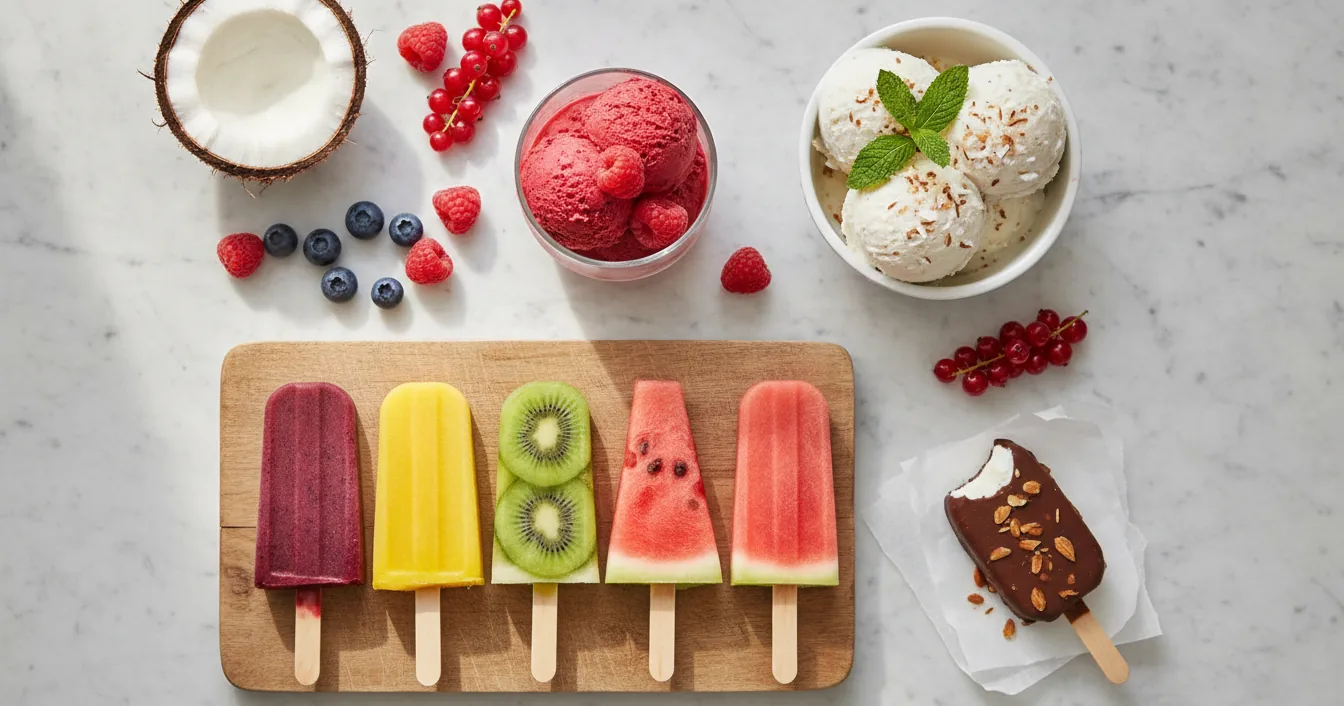
The pint gets all the attention, but it is only one shape frozen dessert takes. Walk a freezer aisle or read a dessert menu and you will meet sorbet, gelato, semifreddo, kulfi, paletas, frozen yogurt, soft serve, sandwiches, bars, and the newer wave of rolled ice cream. Each is built on a different balance of fat, air, sugar, and technique, and each changes in a specific way when you take the dairy out. This is the reference to come back to whenever a format you have not heard of shows up at the counter.
One rule runs through all of it: dairy-free, lactose-free, and vegan are not the same thing. Dairy-free means no milk from any animal. Lactose-free usually means dairy with the lactose enzyme-split out, which still contains milk protein and is unsafe for a milk allergy. Vegan means no animal ingredients at all, though a vegan label is not itself an allergen guarantee. That gap matters most with frozen yogurt, where the words get used loosely. When in doubt, read the label, not the marketing.
The Naturally Dairy-Free Family: Sorbet, Granita, and Paletas
Some formats start dairy-free and never need reworking.
Sorbet is the cleanest example: fruit puree or juice, water, and sugar, with no milk, cream, or egg. The sugar does the structural work a fat would normally do, lowering the freezing point so the sorbet stays scoopable instead of setting into a solid block. That makes it naturally vegan and safe for a milk allergy, though the texture runs lighter and icier than a cream base.
Granita is sorbet’s rustic Sicilian relative. Instead of churning, you scrape the mixture with a fork every half hour as it freezes, building large, deliberate ice flakes. It is coarse, refreshing, and about as simple as frozen dessert gets.
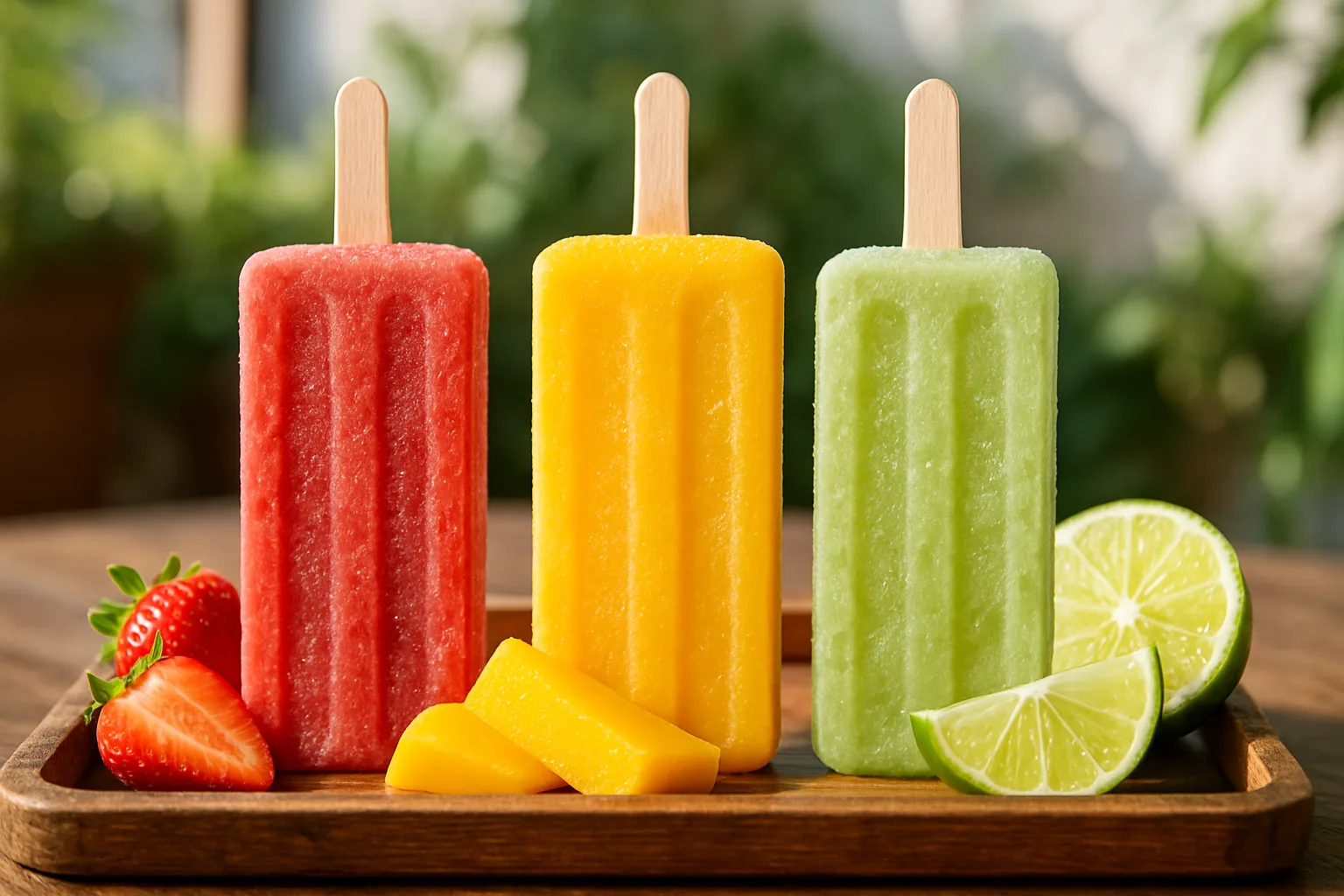
Paletas are Mexican ice pops, and here you have to look twice. Paletas de agua are water-based, built from fresh fruit, and naturally dairy-free. Paletas de leche are milk-based, so they are off the table unless a maker has rebuilt them on coconut or another plant cream. The stick does not tell you which is which; the ingredient list does.
The Rich Scooped Formats: Gelato, Kulfi, and Semifreddo
These trade on density and creaminess, and each reaches it a different way.
Gelato is churned slowly, so it holds far less air than ice cream and eats denser and silkier. Traditional gelato is dairy, but dairy-free gelato is now common, built on coconut, oat, or cashew and churned to the same low-air standard. It is served a touch warmer than ice cream, which lets the flavor read cleanly. For the full head-to-head with its water-based cousin, see how gelato and sorbet differ.
Kulfi is the dense, slow-simmered frozen dessert of South Asia, traditionally made by reducing milk for a long time until it is concentrated, then freezing it without churning. No added air means kulfi sets firmer and melts slower than anything else on this list. Dairy-free versions reduce full-fat coconut milk or cashew cream the same way and lean on classic flavors like cardamom, pistachio, saffron, and mango. Because most rely on nuts, they are worth a second look for a nut allergy.
Semifreddo means half cold, an Italian mousse that is semi-frozen rather than fully churned. It needs no machine, which is the whole appeal: you fold air into a rich base and freeze it in a loaf pan. The traditional version uses whipped cream and eggs; a dairy-free semifreddo swaps in whipped coconut cream and aquafaba (the liquid from a can of chickpeas) for the same airy, sliceable result. It is one of the easiest formats to make dairy-free at home.
The Cultured One: Frozen Yogurt and the Fro-Yo Trap
Frozen yogurt is the format most likely to trip up a dairy-free shopper, because culturing is what defines it, not the milk. Real fro-yo is fermented with live bacteria, which gives it its tang. The catch is that most commercial and self-serve frozen yogurt is dairy, simply lower in fat than ice cream. Even lactose-free frozen yogurt is still dairy: the research on producing it works by enzymatically splitting the lactose in a milk base, which leaves the milk protein intact and does nothing for a milk allergy.
A genuinely dairy-free frozen yogurt has to be cultured on a plant base instead, usually coconut, soy, almond, or oat, with the same live strains. The category is small but growing, and food scientists keep pushing it further; one study built a stable probiotic non-dairy dessert on an avocado base. If you are standing at a self-serve fro-yo counter, assume dairy until a clearly labeled plant-based swirl proves otherwise.
Off the Machine: Soft Serve and Rolled Ice Cream
Two formats are defined by the equipment that makes them.
Soft serve is whipped with much more air than scooped ice cream and dispensed soft and warm straight from the machine. That high air content is why it feels so light. Dairy-free soft serve has improved fast, with oat and coconut bases leading the way; oat in particular has a naturally smooth body that suits the format, one reason it stands out among the plant milk bases. Making it at home takes the right gear, which the machine buyer’s guide covers for coconut, oat, and cashew.
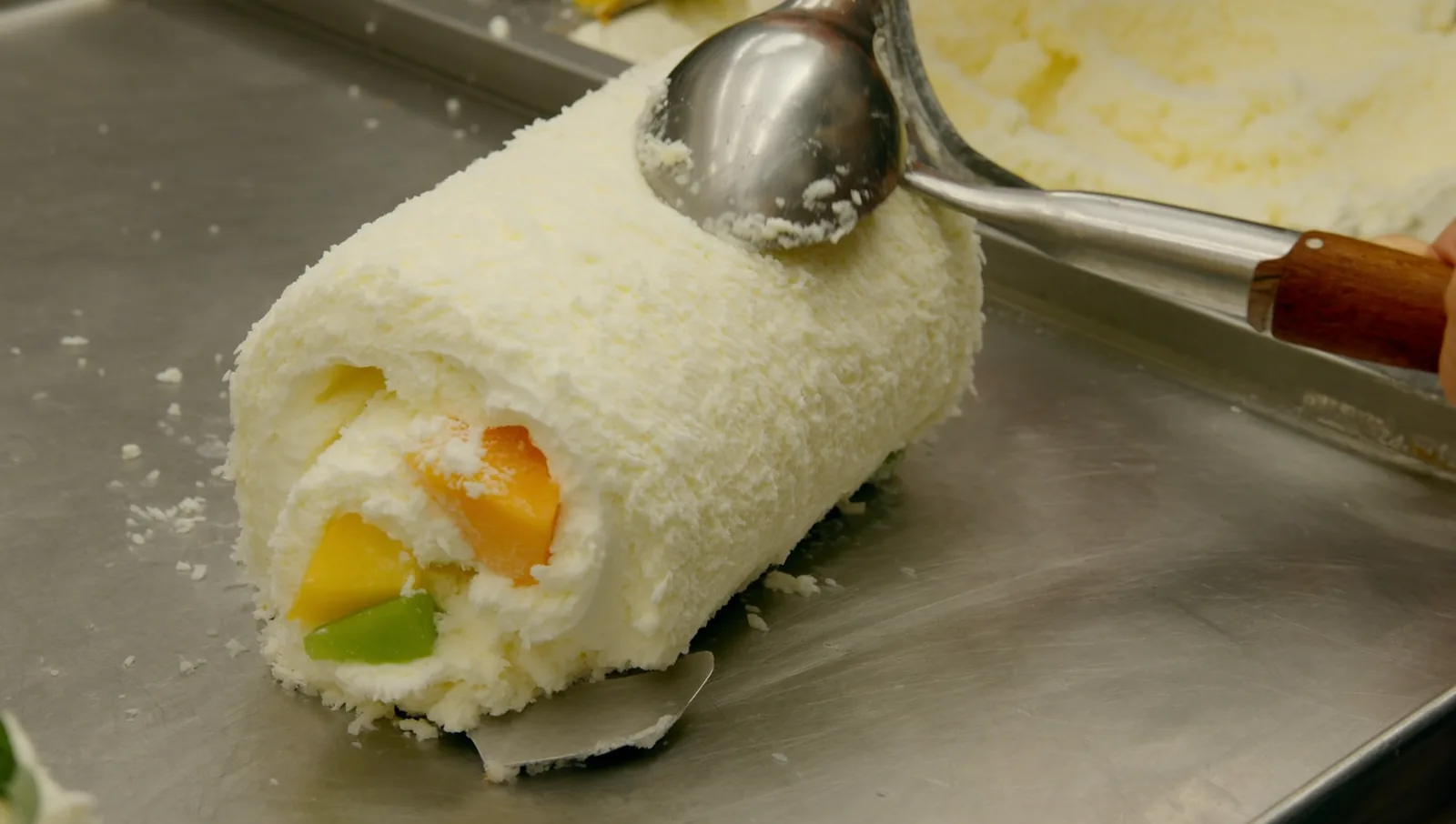
Rolled ice cream, also called stir-fried ice cream, started as Thai street food and has spread through dessert chains fast enough that new rolled-ice-cream and bubble-tea shops keep opening. A liquid base is poured onto a plate chilled well below freezing, chopped and spread thin as it sets, then scraped into tight rolls. A dairy-free version needs a base that firms up quickly on the cold plate, which coconut and oat blends handle well.
Handheld: Sandwiches, Bars, and Novelties
The novelty aisle is where dairy-free options have grown the most, and also where hidden dairy hides best.
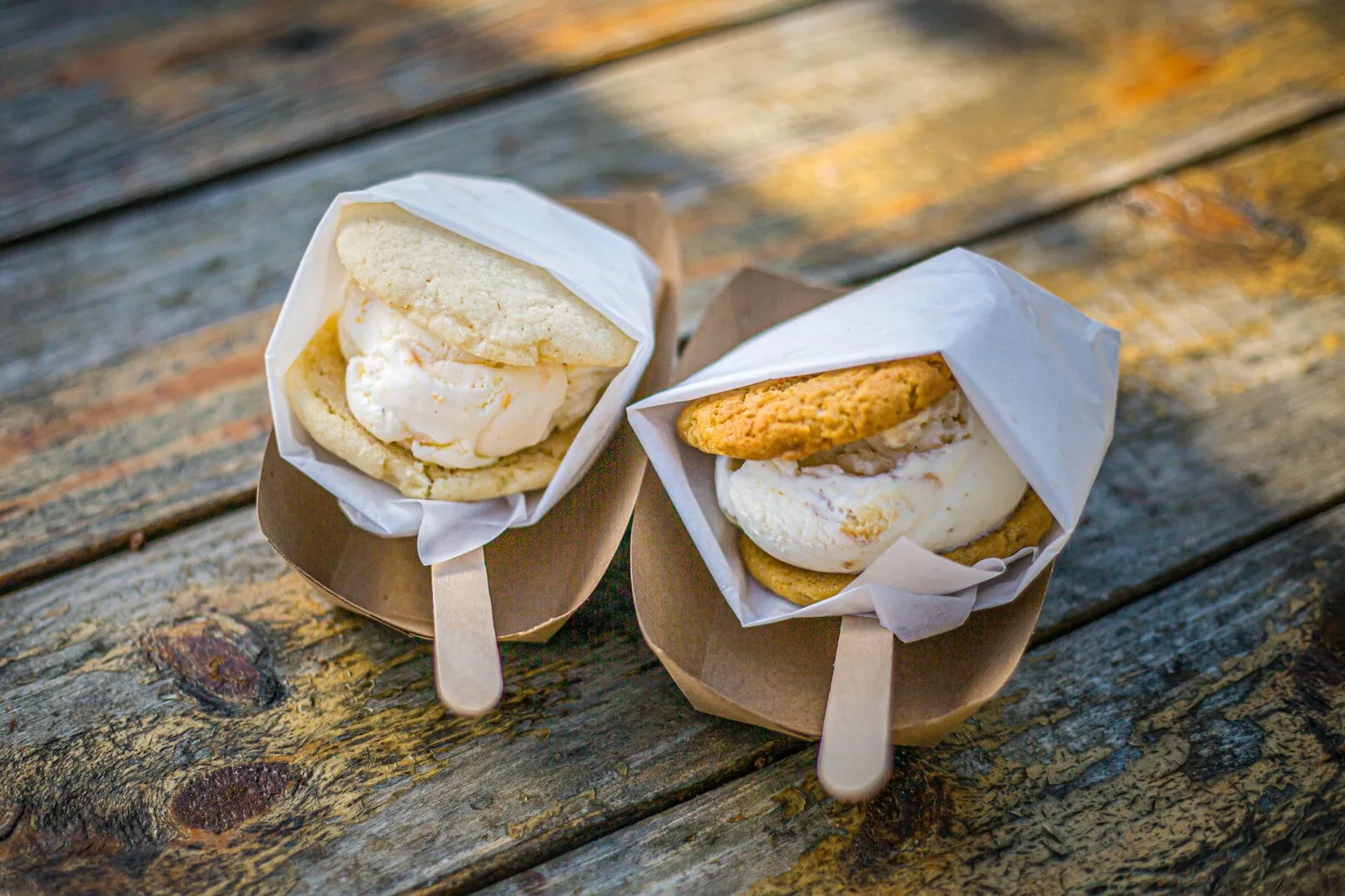
Ice cream sandwiches have gone from an afterthought to an award category: KLIMON’s dairy-free ice cream sandwich took a 2026 FABI Favorite award from the restaurant industry, a sign of how seriously the format is now being taken. Horchata-flavored dairy-free frozen novelties have been trending right alongside them.
Bars and pops are the other big group, from simple fruit pops to chocolate-dipped stick bars. The base can be dairy-free while the coating is not: milk chocolate shells and cookie-dough inclusions are the usual places milk sneaks back in. A pint’s worth of scrutiny applies to a wrapper too. When a novelty says nondairy on the front, turn it over and confirm the allergen statement backs it up.
A Quick Field Reference
- Guaranteed dairy-free with no reformulating: sorbet, granita, and paletas de agua.
- A rich, creamy scoop: dairy-free gelato or kulfi, both dense by design.
- No machine at home: semifreddo, folded and frozen in a loaf pan.
- Cultured tang: a labeled plant-based frozen yogurt, not the default self-serve swirl.
- Soft and fast: dairy-free soft serve or rolled ice cream on a coconut or oat base.
- Grab and go: sandwiches, bars, and pops, with the coating and inclusions checked.
Every one of these can be made without a drop of milk. The format sets the texture; the base and the label decide whether it is truly dairy-free. Learn the shapes, then read the fine print.
Further reading (sources)
- Yahoo Finance on KLIMON’s dairy-free ice cream sandwich winning a 2026 FABI award
- Trend Hunter for the rise of horchata-flavored dairy-free frozen novelties
- INsauga with a rolled ice cream chain expanding into new locations
- Slurrp on a no-churn coconut base that skips the ice crystals
- Foods covering a probiotic non-dairy dessert built on avocado
- PubMed on how lactose-free frozen yogurt is made by splitting the lactose