Vegan vs. Dairy-Free Ice Cream: Understanding the Differences and Benefits
Published on January 25, 2025
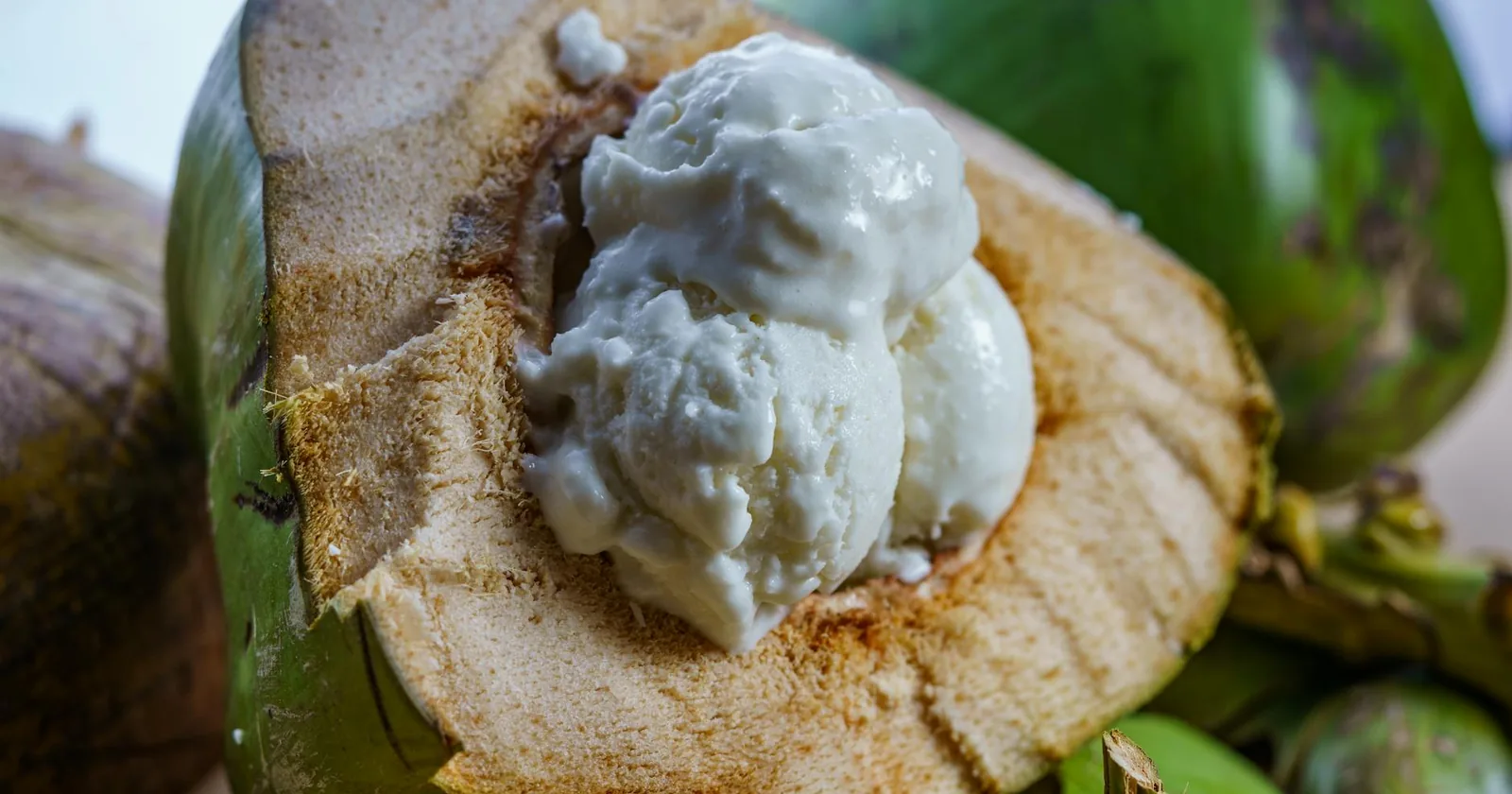
The frozen dessert aisle has transformed dramatically over the past decade. Where shoppers once found only traditional dairy ice cream, they now encounter a growing array of alternatives labelled as “vegan” or “dairy-free.” Many consumers use these terms interchangeably, but they are not the same thing. The distinction matters, whether you are managing food allergies, following a plant-based lifestyle, or looking for a treat that aligns with your values. With the global dairy-free ice cream market valued at roughly USD 1.05 billion in 2024 and projected to reach USD 2.65 billion by 2030, the category is clearly resonating with mainstream shoppers, not just niche audiences (Grand View Research, 2024).
Defining the Terms
Dairy-free ice cream is any frozen dessert made without cow’s milk or milk-derived ingredients such as cream, whey, or casein. The base is typically a plant milk (coconut, almond, oat, soy, or cashew), but the product may still contain other animal-derived ingredients like egg yolks or honey. Vegan ice cream goes further: it excludes all animal products entirely, meaning no dairy, no eggs, no honey, and no animal-derived additives. Every vegan ice cream is dairy-free, but not every dairy-free ice cream is vegan. A coconut-milk frozen dessert that uses egg as an emulsifier, for example, qualifies as dairy-free but would not meet vegan standards. Checking ingredient labels carefully matters for anyone whose choices are driven by ethical, dietary, or allergy-related concerns.
Why Consumers Are Making the Switch
Health is a primary motivator. Approximately 65–68 percent of the global adult population experiences some degree of lactose malabsorption, a figure that rises to 70–100 percent among East Asian populations and hovers around 80 percent among African American communities in the United States (NIDDK; World Population Review, 2026). For these individuals, dairy-free and vegan ice creams offer a way to enjoy a frozen dessert without the bloating, cramps, and digestive discomfort that lactose can trigger.
Environmental awareness is another powerful driver. Research from the University of Oxford has shown that cutting dairy and meat from one’s diet can reduce an individual’s food-related carbon footprint by up to 73 percent. Dairy farming generates roughly triple the greenhouse gas emissions of plant-milk production, so every scoop of plant-based ice cream leaves a marginally lighter footprint on the planet. Animal welfare concerns also play a role, particularly for consumers who adopt a fully vegan lifestyle.
Nutrition: What the Labels Reveal
Switching away from dairy does not automatically make ice cream healthy. Many plant-based frozen desserts still contain significant amounts of added sugar. Because plant milks lack the natural lactose found in dairy, manufacturers often compensate with extra sweeteners to achieve the right freezing point and sweetness profile. Consumer Reports testing found that some non-dairy options contain more added sugar per serving than their dairy counterparts.
Saturated fat is another consideration. Coconut milk (the most popular base, accounting for roughly 36 percent of the market) is nearly 90 percent saturated fat (Grand View Research, 2024; Food Revolution Network, 2024). Soy-based and oat-based alternatives tend to offer more favourable fat profiles, while almond milk options are lower in calories but can lack the creaminess consumers expect. The takeaway: “dairy-free” or “vegan” does not inherently mean “healthy,” and reading the nutrition panel matters as much as reading the ingredient list.
Taste and Texture: How Far Has Innovation Come?
Early dairy-free ice creams were often icy, thin, or plagued by off-flavours. That is changing fast. Brands like Ben & Jerry’s, Oatly, and Van Leeuwen now produce non-dairy lines that rival their traditional offerings in creaminess and flavour depth. Advances in food science, including precision fermentation, which creates animal-free whey proteins, are pushing texture and taste closer to conventional ice cream. The range of bases available today lets consumers match their preferences: coconut for richness, oat for a neutral profile, soy for higher protein, and almond for a lighter option.
Making the Right Choice for You
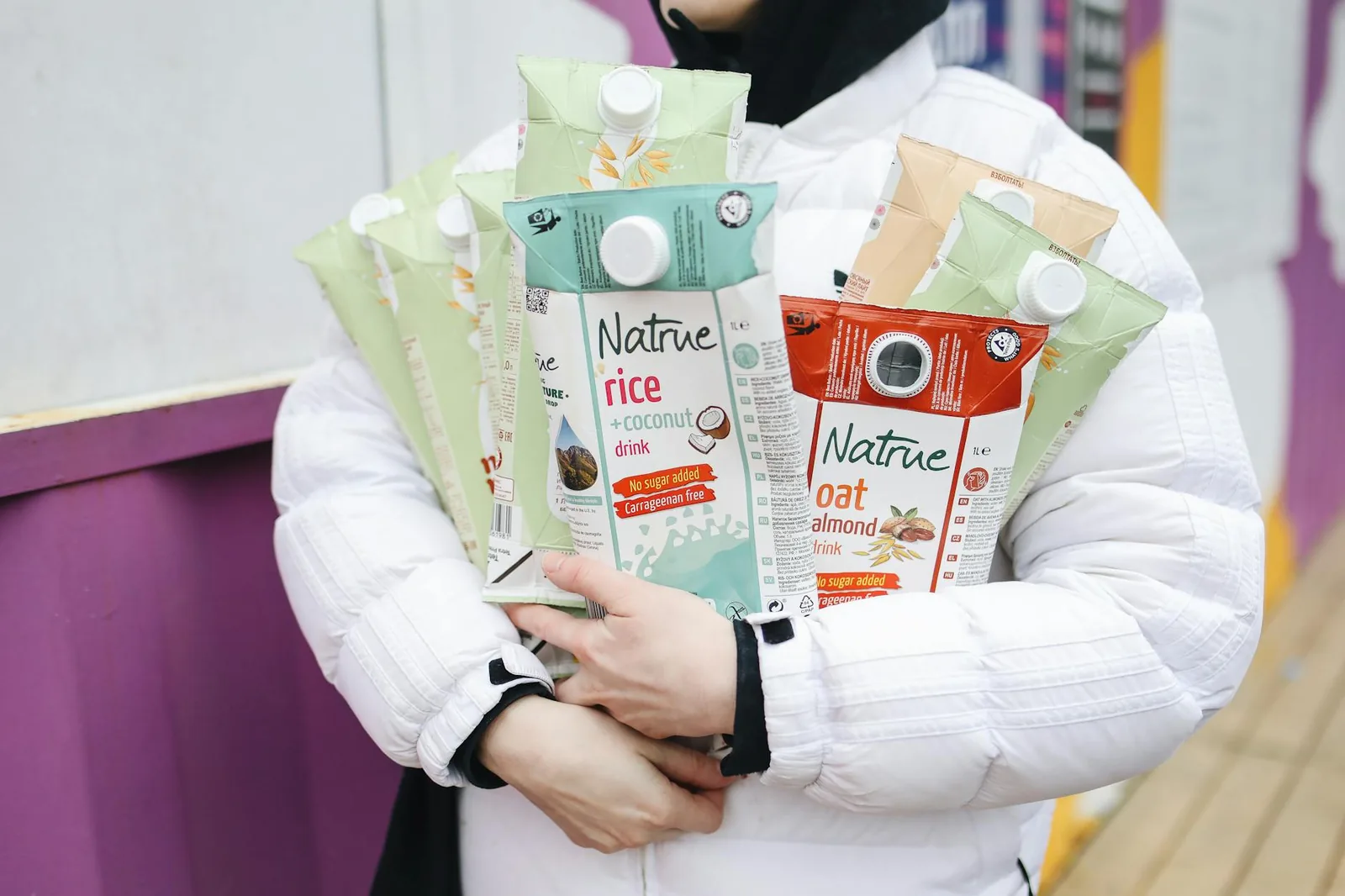
Choosing between vegan and dairy-free ice cream comes down to your personal priorities. If you are managing lactose intolerance or a dairy allergy, any dairy-free option will work. If your concerns extend to all animal products for ethical or environmental reasons, look specifically for the “vegan” label or scan the ingredient list for items like egg or honey. Either way, comparing nutrition panels across brands will help you find a product that satisfies your taste buds without undermining your health goals.
As innovation continues and demand grows, the gap between plant-based and dairy ice cream is narrowing fast in taste, texture, and availability. Whatever your reason for reaching past the dairy section, there has never been a better time to see what the alternatives can do.
Further reading (sources)
- Food and Drug Administration on how allergens including milk must be declared on a label
- Food and Drug Administration for the labelling rules that decide what a product may call itself
- National Institute of Diabetes and Digestive and Kidney Diseases with what lactose intolerance is and how much dairy people can usually manage
- MedlinePlus, the plain-language summary of lactose intolerance for families
- USDA National Agricultural Library on the food composition data behind nutrition comparisons
Feature photo by Kunal Lakhotia on Pexels.