Picking an Ice Cream Machine That Handles Plant-Based Bases: A 2026 Buyer's Guide for Coconut, Cashew, and Almond Recipes
Published on July 3, 2026
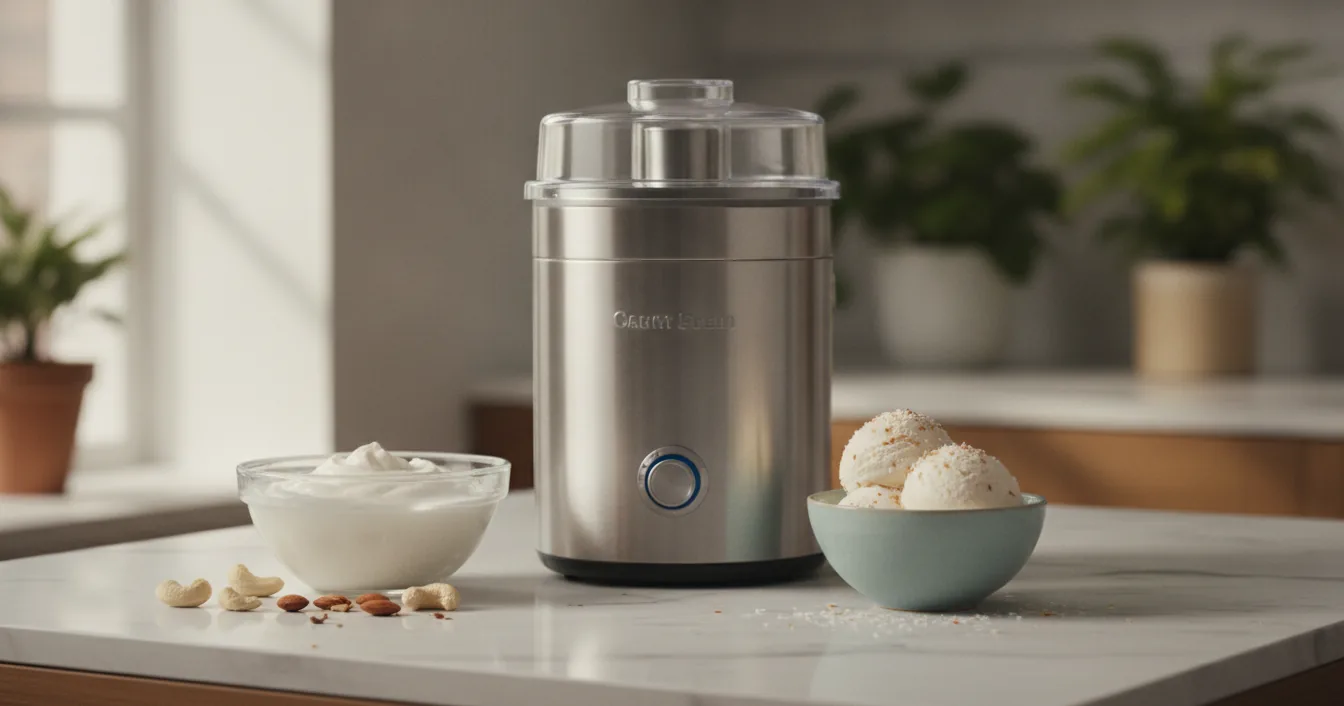
Most ice cream maker reviews test with a dairy custard: cream, egg yolks, sugar. That base is easy to freeze because butterfat and milk protein do the heavy lifting. Plant bases do not come with that built-in advantage, so the machine you choose matters more when you churn dairy-free. A rig that turns out a flawless dairy custard can leave a lean almond base icy, and a rich coconut base can defeat a machine that cannot aerate it properly.
Two 2026 stories put home machines back in the spotlight. Serious Eats churned more than 60 quarts across eight makers to crown its favorites, and the Ninja Creami kept going viral as the wellness world’s protein-dessert gadget. Both are worth reading, but neither was written for someone freezing cashew cream or oat milk. This guide reframes the shortlist around what actually matters for dairy-free bases.
What Makes Plant-Based Bases Harder to Freeze
Before you compare machines, it helps to know what each dairy-free base demands. (The full plant milk base guide covers this in depth.)
High-fat coconut and cashew freeze rich, but they need aggressive aeration to stay light instead of setting into a dense block. Cashew in particular rewards steady, deep chilling, which is where a compressor earns its price. Lean bases like almond, oat, and rice carry little fat or protein, so they freeze icy unless you either boost them with solids and sugar or use a machine that can re-work the texture after the fact.
Sugar does more than sweeten here. It lowers the freezing point so the finished pint scoops instead of shattering, which matters more for thin plant bases than it does for cream (the sweetener reference has the details). Keep that in mind as you read: the right machine narrows the gap, but the recipe still does half the work.
One caution before the shortlist. Distinguish dairy-free from vegan from lactose-free as you shop recipes, not just machines. Many viral Creami recipes lean on Fairlife milk, Greek yogurt, or cottage cheese, which are lower in lactose but very much dairy. Swap those for coconut, cashew, or soy if you are avoiding milk entirely.
Ninja Creami: The Re-Spin That Rescues Icy Almond Batches
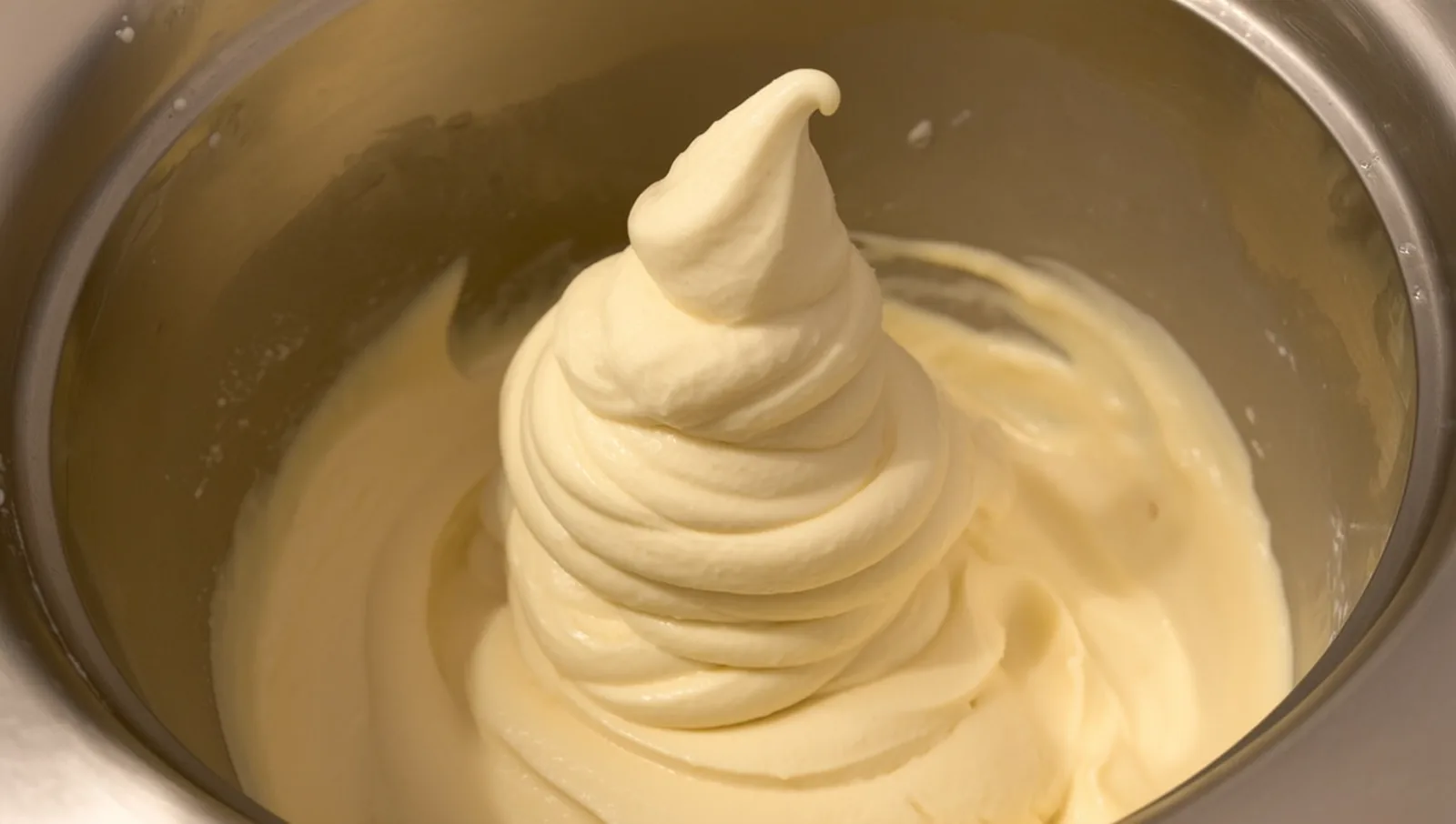
The Ninja Creami (around $200, with the soft-serve Swirl closer to $300) is not a churner at all. You freeze a base solid in its pint tub for 24 hours, then the machine shaves the frozen block into a creamy texture in about five minutes. That difference is the whole story for dairy-free users.
Its best feature is the re-spin. When a lean almond or oat base comes out crumbly or icy on the first pass, you run it again, and the second spin works the crystals down into something smooth. Athletech News’s tester hit exactly this pattern: a first spin looked icy, a mix-in plus a second spin fixed it. For the plant bases most likely to freeze coarse, that rescue is genuinely useful.
The trade-offs are real. It makes only one pint at a time, you have to plan a day ahead for the freeze, and it is loud. It also does its best work with the higher-fat, higher-sugar recipes its Ice Cream mode is tuned for, so a bare almond-milk base still needs help from added fat or a stabilizer.
Cuisinart Frozen-Bowl: The Budget Coconut Workhorse
The classic Cuisinart frozen-bowl makers (roughly $70 to $100) are how most people start. You freeze the bowl for a full day, pour in your chilled base, and churn for 20 to 25 minutes while the cold bowl freezes the mix and the paddle beats in air.
For high-fat coconut and cashew, this setup punches above its price. The fat freezes fast against the cold wall and traps enough air to scoop well. The limits show up with lean bases and with volume: a room-temperature or under-frozen bowl struggles to freeze a watery almond mix before it goes icy, and once the bowl thaws you are done until it refreezes. Buy a second bowl if you churn often.
Breville Smart Scoop: Compressor Control for Cashew Bases
Step up to a compressor machine and the pre-freeze disappears. The Breville Smart Scoop (around $300 to $400) has its own refrigeration, so it chills and churns on demand and runs batch after batch. It also lets you set a target hardness and tells you when the ice cream is ready.
That steady, deep chill is what cashew and other custard-style plant bases want. Instead of racing a warming bowl, the machine holds a consistent temperature that sets the base firm and even. It is quieter than most compressors and the most beginner-friendly of the self-refrigerating options, which is part of what you pay for.
Whynter Compressor: Aggressive Chilling for High-Fat Bases
The Whynter compressor makers (about $250 to $350 for the popular 1.5 to 2.1 quart models) are the value pick among self-refrigerating machines, and a longtime Serious Eats favorite. Stainless bowl, no pre-freezing, and enough freezing power for back-to-back batches.
For high-fat coconut, that aggressive, continuous chill is the point. It freezes the mix fast and keeps the crystals small, which is exactly what a rich plant base needs to read as creamy rather than greasy. The downsides are the usual compressor ones. It is heavy, it is louder than the Breville, and it costs several times what a frozen-bowl unit does.
Matching the Machine to Your Base
| Machine | Approx. price | Capacity | Noise | Best dairy-free fit |
|---|---|---|---|---|
| Ninja Creami | ~$200 (Swirl ~$300) | 1 pint per spin | Loud | Rescuing icy almond and oat bases with a re-spin |
| Cuisinart frozen bowl | ~$70 to $100 | 1.5 to 2 qt | Moderate | Budget entry for high-fat coconut and cashew |
| Breville Smart Scoop | ~$300 to $400 | 1.5 qt | Quiet for a compressor | Cashew and custard-style bases needing steady chill |
| Whynter compressor | ~$250 to $350 | 1.5 to 2.1 qt | Loud | High-fat coconut and frequent batches |
Prices move constantly and models get revised, so treat these as ballpark figures and verify current specs before you buy.
If you mostly want portion-controlled pints and already meal-prep, the Creami fits. If you are testing the waters on a budget with coconut or cashew, a frozen bowl is plenty. If you churn often and want to dial in texture without planning a day ahead, a compressor (Breville for comfort, Whynter for value) is the upgrade that pays off. Whichever you pick, dial in the base too, using the fundamentals in the homemade master guide.
The Bottom Line
There is no single best machine, only the best match for the bases you freeze most. Coconut and cashew are forgiving enough to shine in a cheap frozen bowl and even better in a compressor. Lean almond and oat are where the Creami’s re-spin or a compressor’s steady chill earns its keep. And because you control the ingredients at home, churning your own sidesteps the labeling surprises that catch shoppers off guard, like the vegan pint recalled in 2026 for undeclared milk. Pick the machine that fits your base and your kitchen, and the scoop will follow.
Further reading (sources)
- Serious Eats on the makers that rose to the top of a 60-quart churn test
- Athletech News for how the Ninja Creami handles everything from protein bases to dairy-free soft serve
- Minimalist Baker with building a richer dairy-free base before it ever hits the machine