Dairy-Free Cinco de Mayo: Paletas, Horchata Ice Cream, and a Frozen Dessert Table
Published on July 18, 2026
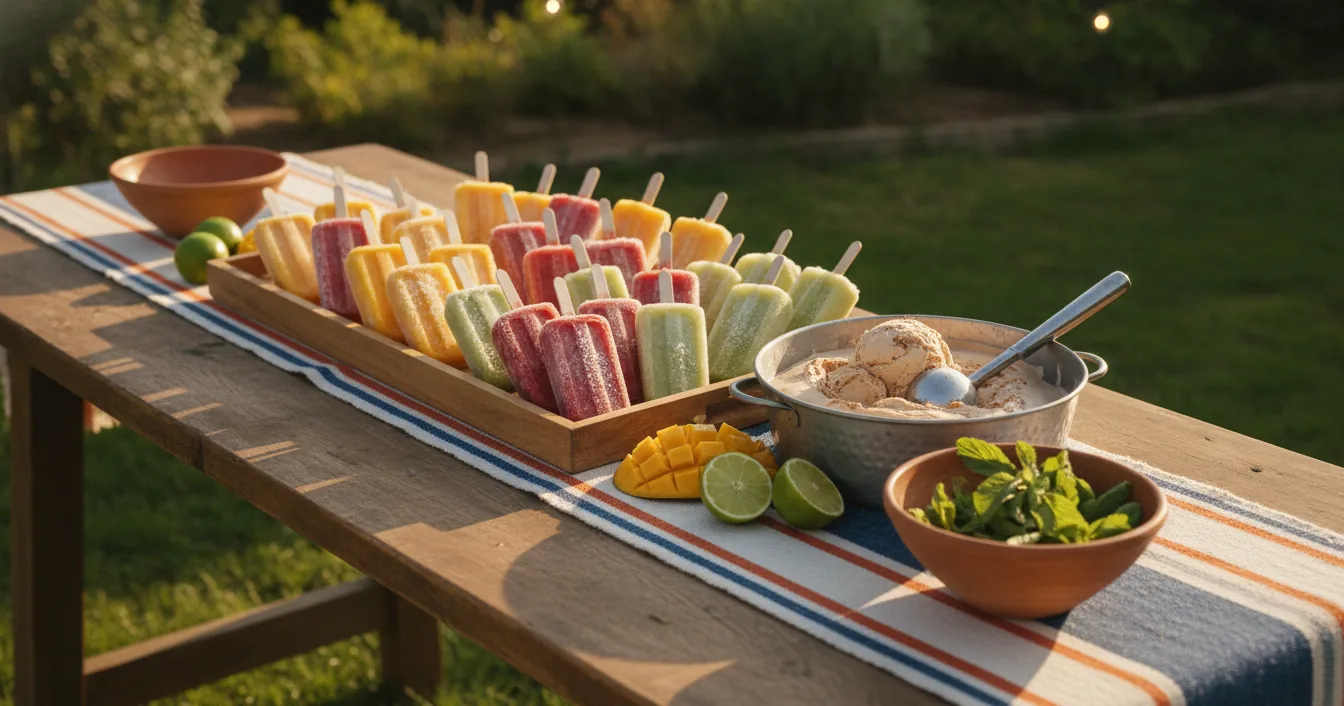
Cinco de Mayo menus tend to get planned backwards. The guacamole, the salsa, the tacos, and the margaritas all get thought through, and then dessert becomes whatever pint is still in the freezer. That is a shame on a holiday that falls in early May, when the weather has usually turned warm enough that a frozen dessert is exactly what people want, and when the traditional sweets of Mexican cooking translate to dairy-free unusually well.
Three of the recipes below are naturally plant-based or a short step away from it. Paletas built on fruit need no reworking at all. Horchata is already a rice and cinnamon drink with no dairy in the classic version, which makes it a gift of a base for ice cream. Avocado has the fat to carry a sorbet on its own. Put them on one table with a couple of smart store-bought picks and you have a dessert spread that fits the occasion instead of apologizing for it.
First, the Distinction That Matters at a Mixed Party
If you are feeding a group, someone will ask whether a dessert is safe for them, and the honest answer depends on which word they used.
Dairy-free means no milk from any animal. Vegan means no animal ingredients at all, which usually overlaps but is a claim about ethics, not about allergens. Lactose-free is the one that catches people out: it is normally real dairy with the milk sugar enzyme-split, so the casein and whey are still in there and it remains unsafe for a milk allergy. That gap is worth understanding before you serve anyone, and it is covered in full in the breakdown of why lactose-free and dairy-free are not interchangeable.
The same trap sits inside paletas themselves. Paletas de agua are the water and fruit kind, naturally dairy-free. Paletas de leche are built on milk. The stick and the mold look identical, so at a shop or in a freezer case the ingredient list is the only thing that tells you which one you are holding. The wider field guide to frozen dessert formats walks through the rest of the categories the same way.
Fresh-Fruit Paletas on a Coconut Base
Paletas are the easiest win on the table and the most forgiving. You need molds, sticks, and a freezer, and that is the whole equipment list.
For a creamy paleta, whisk one 13.5-ounce can of full-fat coconut milk with three tablespoons of maple syrup or agave, a squeeze of lime, and a pinch of salt. Fold in roughly a cup and a half of chopped fruit, then pour into molds, leaving a little headroom because the mixture expands. Freeze four hours or overnight, and run the molds under warm water for a few seconds to release.
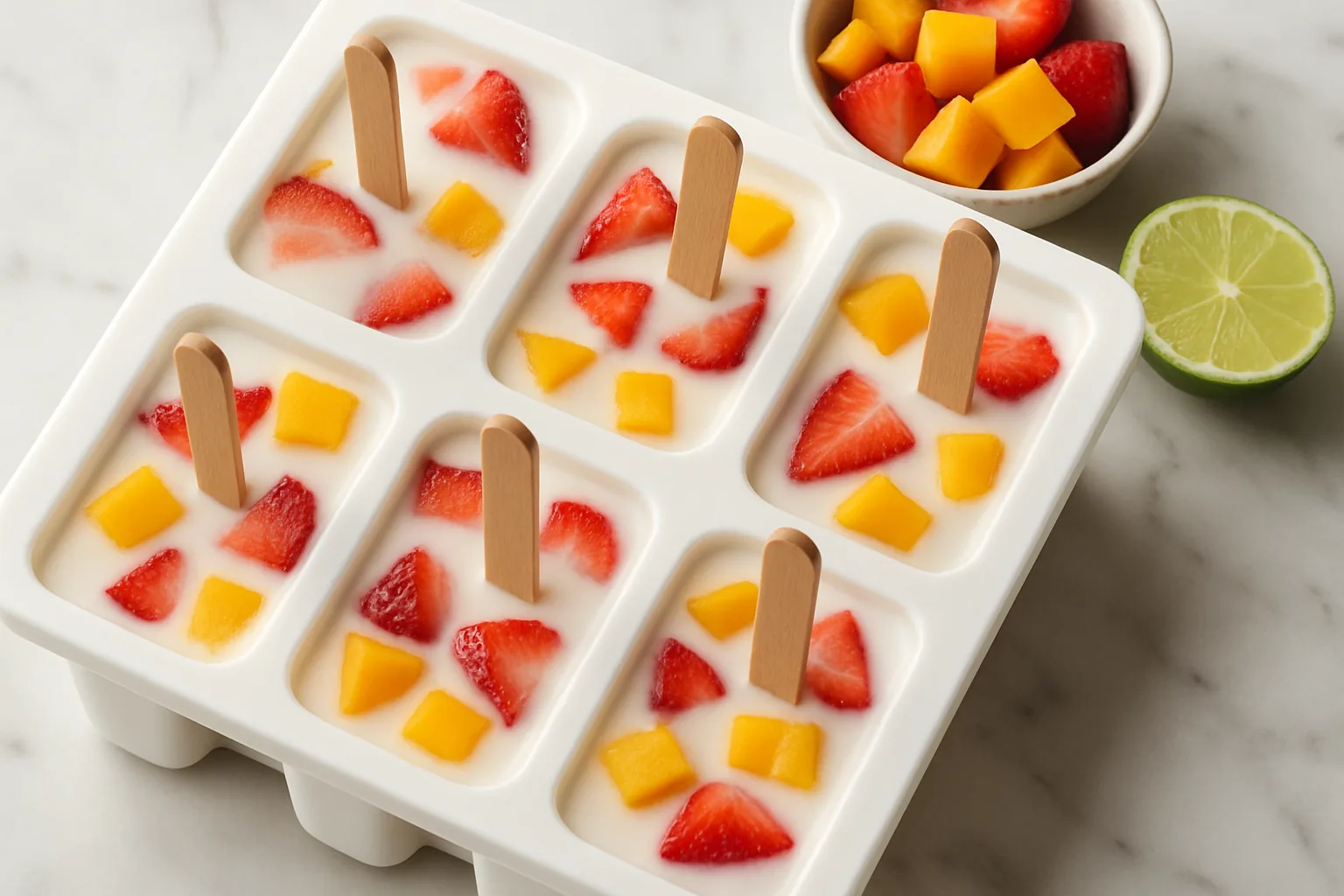
Three combinations that consistently work:
- Mango con chile. Diced ripe mango with lime zest and a light dusting of chili-lime seasoning on top after unmolding. Check the seasoning blend for milk-derived anticaking agents if you are cooking for an allergy.
- Strawberry lime. Macerate the berries in a spoonful of sugar for fifteen minutes first, which pulls out juice and deepens the color.
- Pineapple coconut. Pineapple is acidic enough to keep the coconut from reading as flat, and the two textures freeze into something close to a creamsicle.
For a lighter paleta de agua, skip the coconut milk entirely and blend fruit with water, sugar, and lime, then strain if you want it clean. Watermelon, cucumber with lime, and hibiscus all belong in this column.
Two texture notes. Sugar is doing structural work here, not just adding sweetness, because it lowers the freezing point and keeps the pop from setting into a solid brick. Cut sugar too far and you get an ice cube on a stick. And chunks of fruit will float or sink depending on density, so if you want them suspended, freeze the molds for about an hour until the base thickens, then push the fruit in.
Horchata Ice Cream
This is the recipe worth the extra effort, because almost nobody has had it and everyone recognizes the flavor immediately.
Traditional horchata is white rice steeped with cinnamon, blended, strained, and sweetened. No dairy in the classic version, though many restaurants add condensed milk, which is exactly the kind of thing to ask about before assuming a glass at a taqueria is safe.
Start by soaking one cup of long-grain white rice and two cinnamon sticks in three cups of hot water for at least four hours, or overnight in the fridge. Blend the whole thing thoroughly, then strain twice through a fine mesh sieve lined with cheesecloth. You want the starchy liquid and none of the grit.
Combine that liquid with one can of full-fat coconut milk, three-quarters of a cup of sugar, two teaspoons of vanilla, a teaspoon of ground cinnamon, and a quarter teaspoon of salt. Warm it gently until the sugar dissolves, chill it completely (this matters more than people expect, so give it four hours or overnight), then churn.
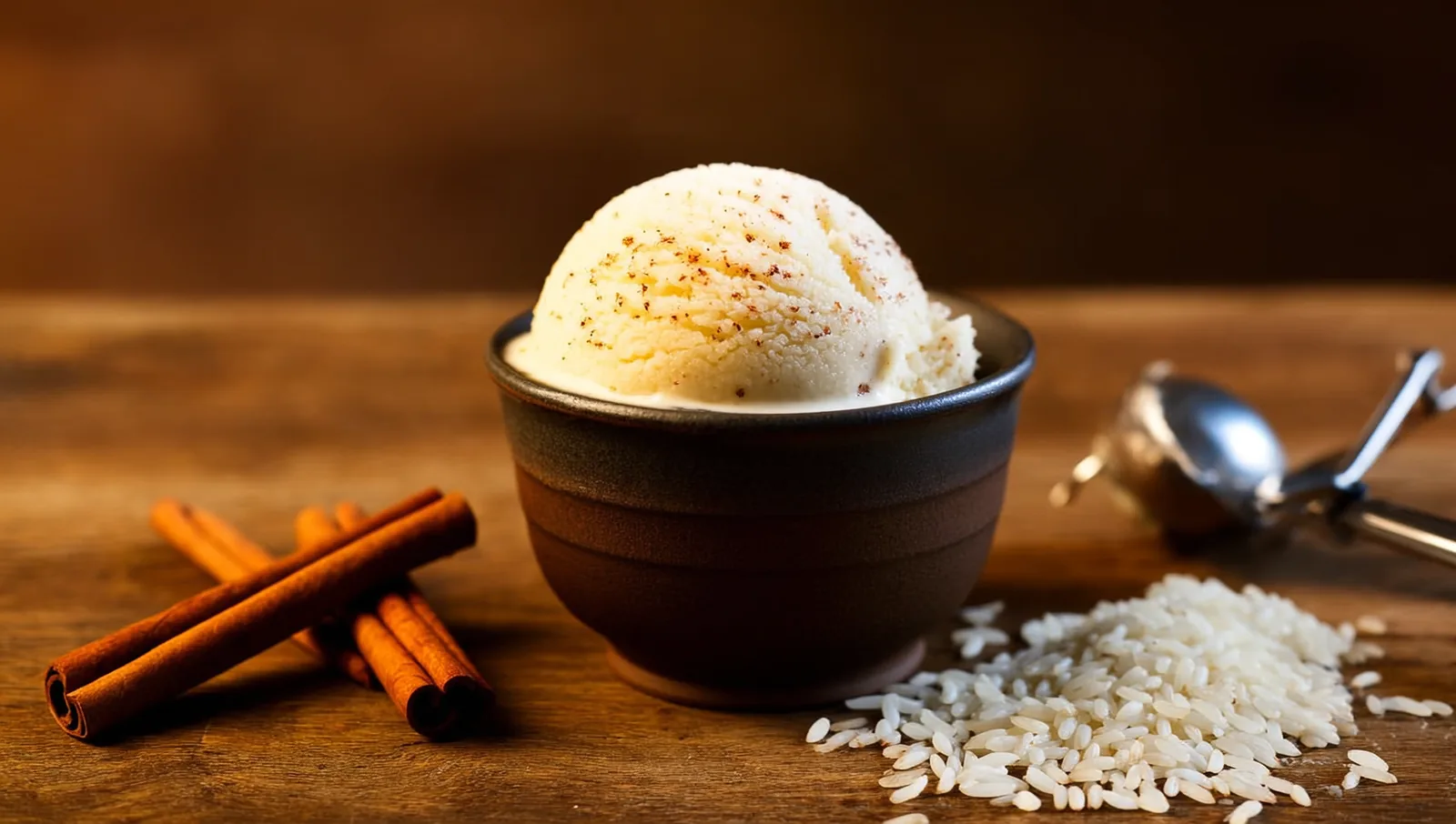
The rice starch is the quiet hero. It behaves a little like a stabilizer, binding free water that would otherwise freeze into crystals, which is why this base comes out smoother than a straight coconut milk recipe. Coconut brings the fat, and the choice of base changes the result more than any other decision in dairy-free churning, as the comparison of plant milk bases lays out. If you want a neutral profile, swap half the coconut for cashew cream. For technique on churning, hardening, and rescuing an icy batch, the homemade master guide covers it.
No machine? Pour the chilled base into a shallow pan, freeze, and stir hard with a fork every thirty minutes for about three hours. It will be denser and slightly coarser than a churned batch, closer to a semifreddo, and served in small glasses with a cinnamon dusting nobody will complain.
Avocado Lime Sorbet
Avocado desserts read as strange to some American guests and as completely normal across much of Mexico, where avocado ice cream has a long history. The fruit is mild, faintly sweet, and rich enough to carry a frozen dessert without any cream at all.
Blend the flesh of three ripe avocados with three-quarters of a cup of simple syrup, the juice of two limes plus the zest of one, half a cup of water, and a generous pinch of salt. Taste before freezing, because avocados vary and you may want more lime. Churn or use the fork-stir method.
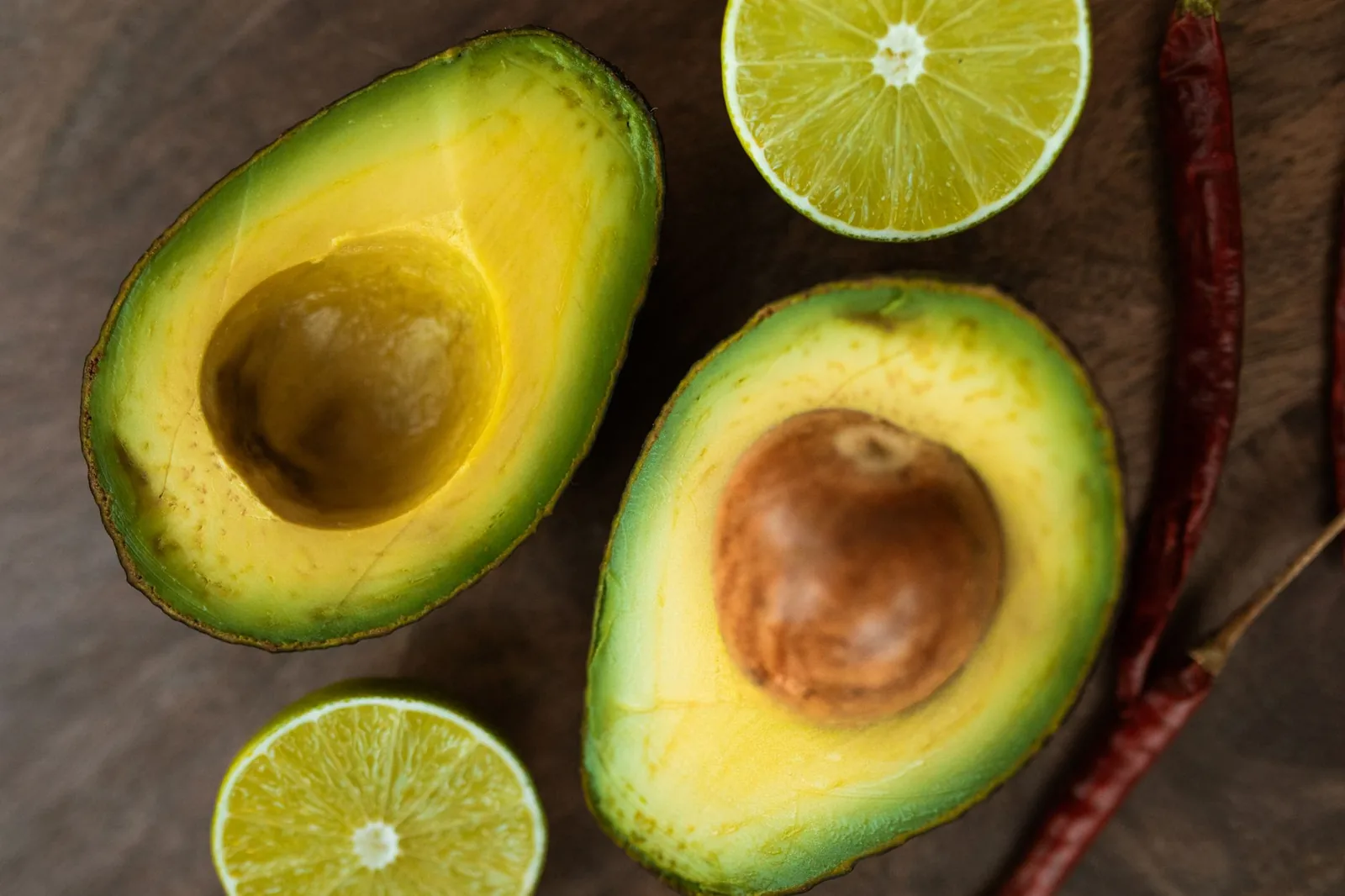
The result is pale green, silky, and less sweet than most frozen desserts, which makes it the right thing to serve after a heavy plate of food. Lime is not optional, and not only for flavor: the acid slows the browning that would otherwise dull the color within hours. Serve this one the day you make it.
Store-Bought Shortcuts Worth Buying
Nobody needs to make all three. A realistic table is one homemade centerpiece and two things you bought.
Fruit sorbets are the reliable pick, since most are naturally dairy-free by construction, with mango, lime, coconut, and raspberry all suiting the menu. Coconut-based pints in cinnamon, dulce de leche, or chocolate flavors sit comfortably alongside the homemade items. Frozen fruit bars from the Latin foods section of a large grocery store are often exactly the paletas de agua you would have made yourself. And Mexican chocolate, the grainy cinnamon-spiced kind, is worth keeping around to shave over anything on the table.
Two cautions. Dulce de leche and cajeta are milk-based by definition, so a dairy-free version has to be built on coconut, and the front label will not always make that clear. Sherbet is not sorbet: it contains a small amount of dairy by US standard of identity, and the two words sit next to each other in the same freezer case. Turn the package over and read the allergen statement, using the label decoder if anything on the ingredient list is unfamiliar.
Running the Table
A few logistics that make the difference between a dessert spread and a puddle.
Frozen desserts on a warm May afternoon need a plan. Nest serving containers in a larger bowl of ice, bring out one item at a time rather than setting everything out at once, and keep the rest in the freezer until the previous thing is gone. Paletas can go straight into a cooler packed with ice.
Label everything with a card, and write what is in it rather than just a claim. “Coconut milk, mango, lime” tells an allergic guest more than “dairy-free” does, and it saves you from being interrogated over every dish.
If any guest has a genuine milk allergy rather than a preference, use separate scoops for the dairy-free items and put them out first, before serving spoons have wandered between bowls. Cross-contact at a buffet is a real risk and it costs nothing to plan around.
Make the paletas and the ice cream a day ahead. Both improve with a full overnight hardening, and it takes the pressure off the day itself. The sorbet is the one thing to make the morning of.
Cinco de Mayo does not need a dairy-free workaround. Between fruit paletas, a horchata base that never contained milk in the first place, and an avocado sorbet that predates the entire plant-based category, the holiday’s own dessert tradition already did most of the work.
Further reading (sources)
- Minimalist Baker for a Cinco de Mayo spread built on plant-based recipes
- Minimalist Baker on coconut milk dulce de leche pops sweetened with dates
- Go Dairy Free on how milk hides in desserts that look plant-based
- Foods for how plant-based frozen desserts hold texture without dairy fat