Sweeteners in Dairy-Free Ice Cream: A Complete Reference for Cane Sugar, Maple, Coconut Sugar, Allulose, Stevia, Monk Fruit, and Erythritol
Published on June 4, 2026
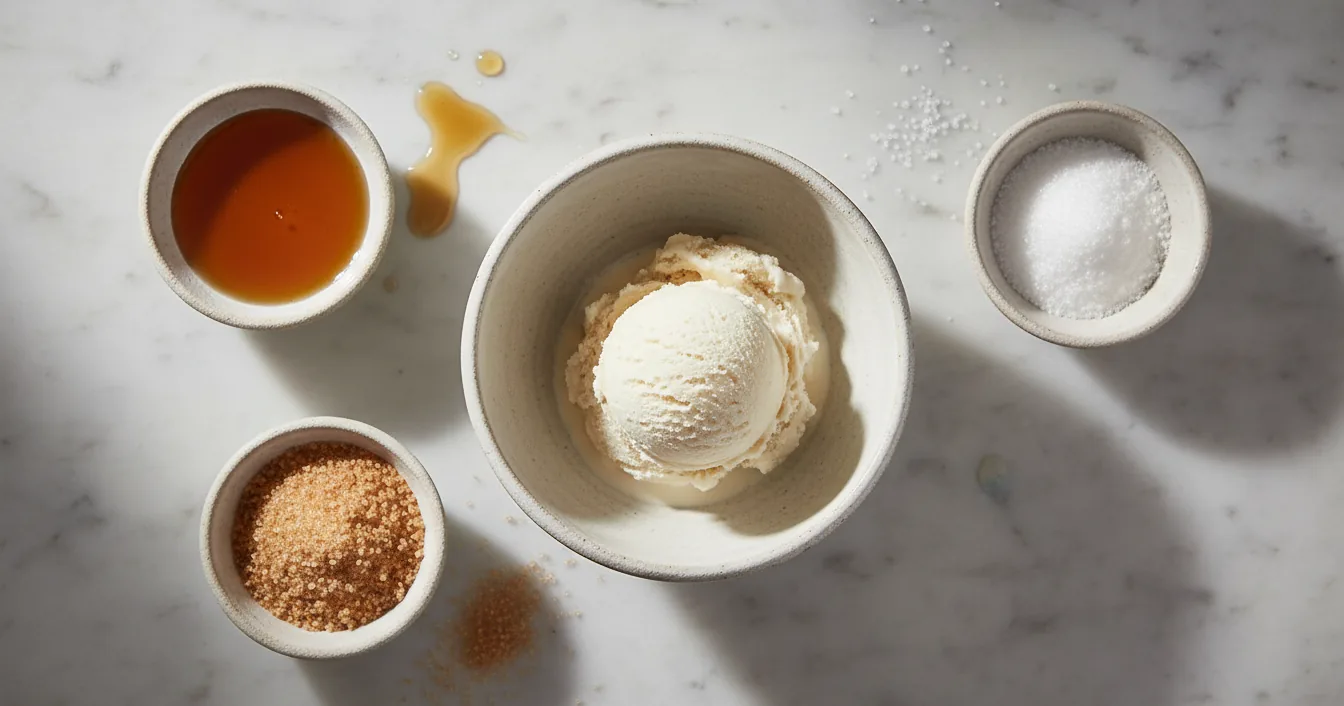
Two pints sit in the freezer case. One says “sweetened with allulose,” the next “maple sweetened,” a third “monk fruit, zero sugar.” They scoop differently, melt differently, and land on your blood sugar differently, and almost none of that is explained on the front of the carton. Sweetener choice is one of the biggest decisions a dairy-free formulator makes, because in ice cream sugar is never only about sweetness. Here is a plain-English reference to the seven sweeteners you actually meet on a non-dairy label, what each one does to the scoop, and how to swap between them at home without ending up with a brick.
Sugar Has Two Jobs, Not One
In a frozen dessert a sweetener does double duty. The obvious job is sweetness. The hidden job is freezing point depression: dissolved sugar lowers the temperature at which the water in the mix turns to ice, so less of that water actually freezes solid at freezer temperature. The unfrozen syrup left behind is what keeps a pint soft enough to scoop instead of setting like an ice cube.
Molecular size drives how much a sweetener pulls the freezing point down. Smaller molecules are more effective per gram. A monosaccharide like fructose or allulose is roughly twice as effective as table sugar, a larger disaccharide, at keeping a mix soft. That single fact explains most of the texture differences below, and it is why you cannot treat these seven sweeteners as interchangeable.
Dairy ice cream gets some of this help from lactose and milk salts. A dairy-free base has none of that, so the sweetener carries even more of the structural load that fat and the gum system do not.
The Bulk Sugars: Cane, Maple, and Coconut
These three are real sugars. They sweeten and they build texture, which is why most premium dairy-free pints still reach for them.
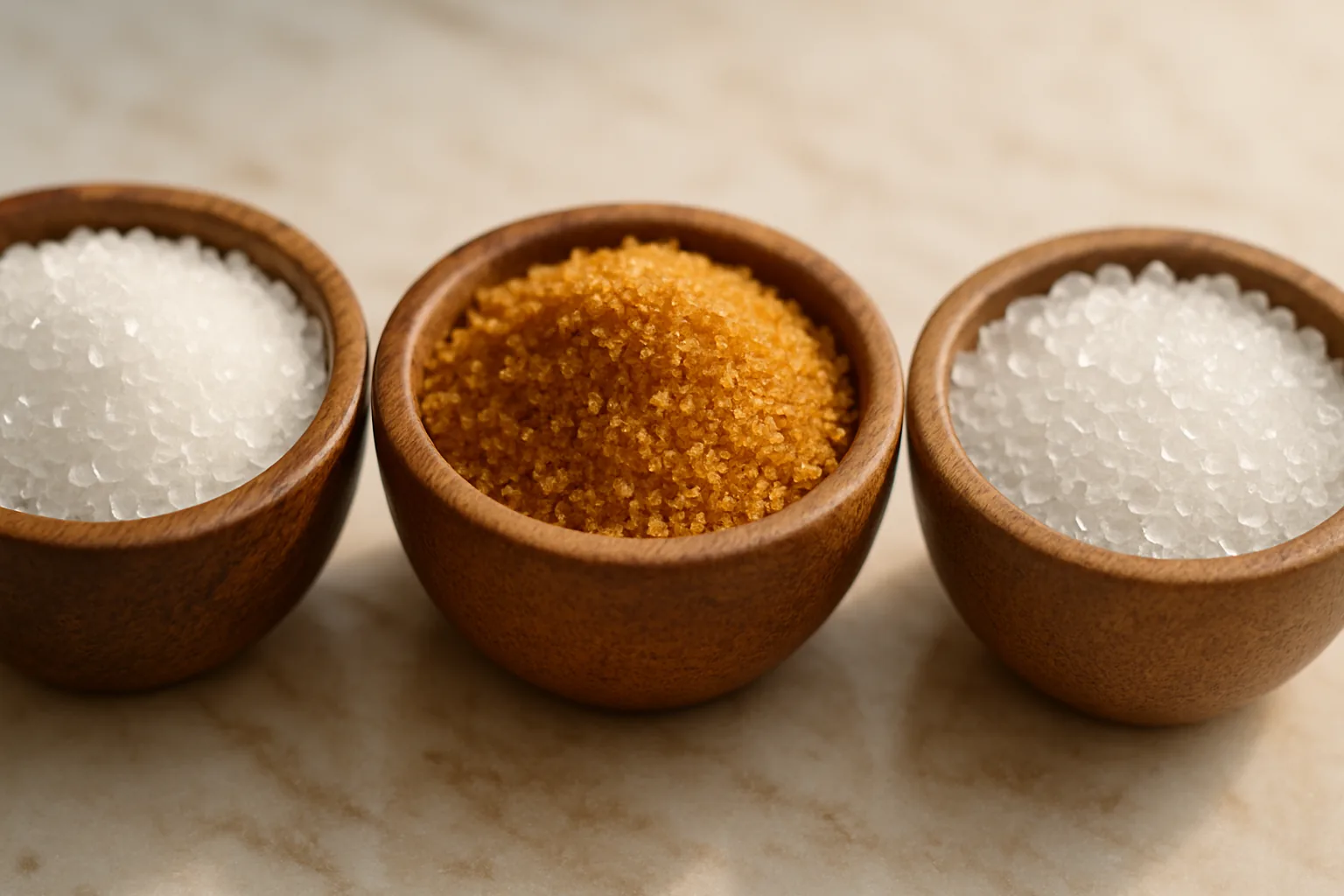
Cane sugar (sucrose) is the baseline every other sweetener is measured against. Clean sweetness, no aftertaste, predictable freezing behavior, and it browns into caramel notes under heat. Its glycemic index sits around 65, so it raises blood sugar briskly. The one catch for vegans is invisible on the label: some refined cane sugar is filtered through bone char to whiten it, which makes it not vegan. Beet sugar, organic cane, and sugar marked vegan skip the bone char. This is exactly the kind of hidden detail the label-reading habit is built to catch.
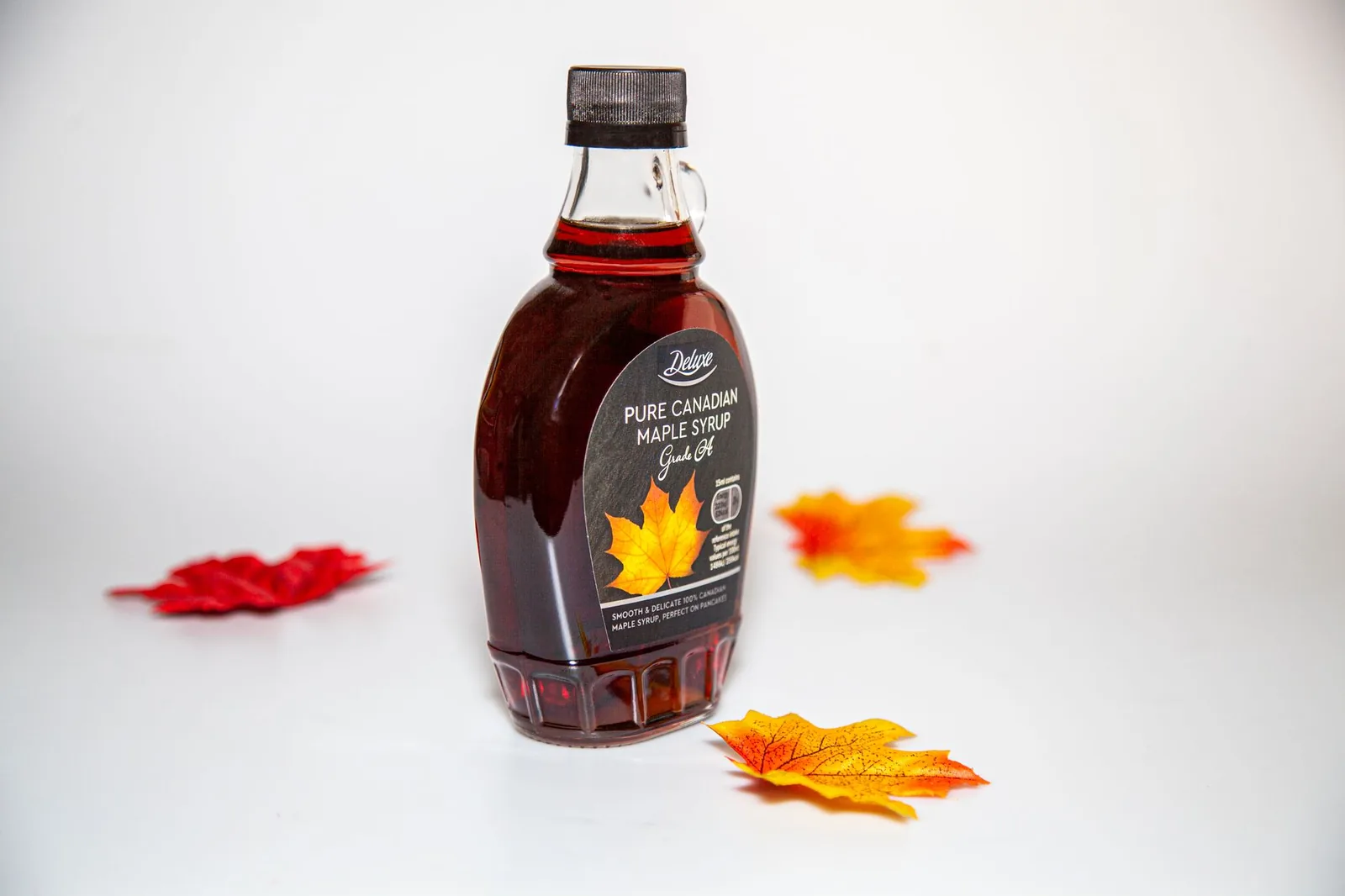
Maple syrup is mostly sucrose but carries free glucose and fructose plus a good deal of water. Those smaller sugars and that water lower the freezing point more than dry cane sugar, so a maple pint tends to scoop soft, sometimes leaning icy if the formula is not balanced. The flavor is the point: caramel and vanilla notes that read as warm and distinctly maple. It is always vegan, with no honey question attached, which is why maple anchors so many plant-based frozen recipes. Its glycemic index lands near 54.
Coconut sugar is roughly three-quarters sucrose with some glucose, fructose, and a little inulin fiber. It behaves close to cane sugar in the freezer but brings a brown color and a soft molasses note that tints lighter flavors. It is marketed on a lower glycemic index, often cited near 54, though the evidence for a meaningful blood-sugar advantage is modest. Vegan, no asterisk.
The Bulk Replacers: Allulose and Erythritol
These two bring bulk like sugar but almost no calories and almost no glycemic load. They are how a pint can say “no sugar added” and still have body.
Allulose is a rare sugar, a monosaccharide that occurs naturally in tiny amounts in figs and raisins. It is about 70 percent as sweet as sucrose, it browns and caramelizes like sugar, and because it is a small single molecule it depresses the freezing point strongly. That makes it the standout for sugar-free ice cream that still scoops straight from the freezer. The FDA lets manufacturers exclude allulose from total and added sugars on the label and count it at just 0.4 calories per gram, because the body absorbs it and excretes it largely unused. Glycemic impact is close to zero, and it is vegan. If an allulose pint feels almost suspiciously soft and creamy for something sugar-free, this is why.
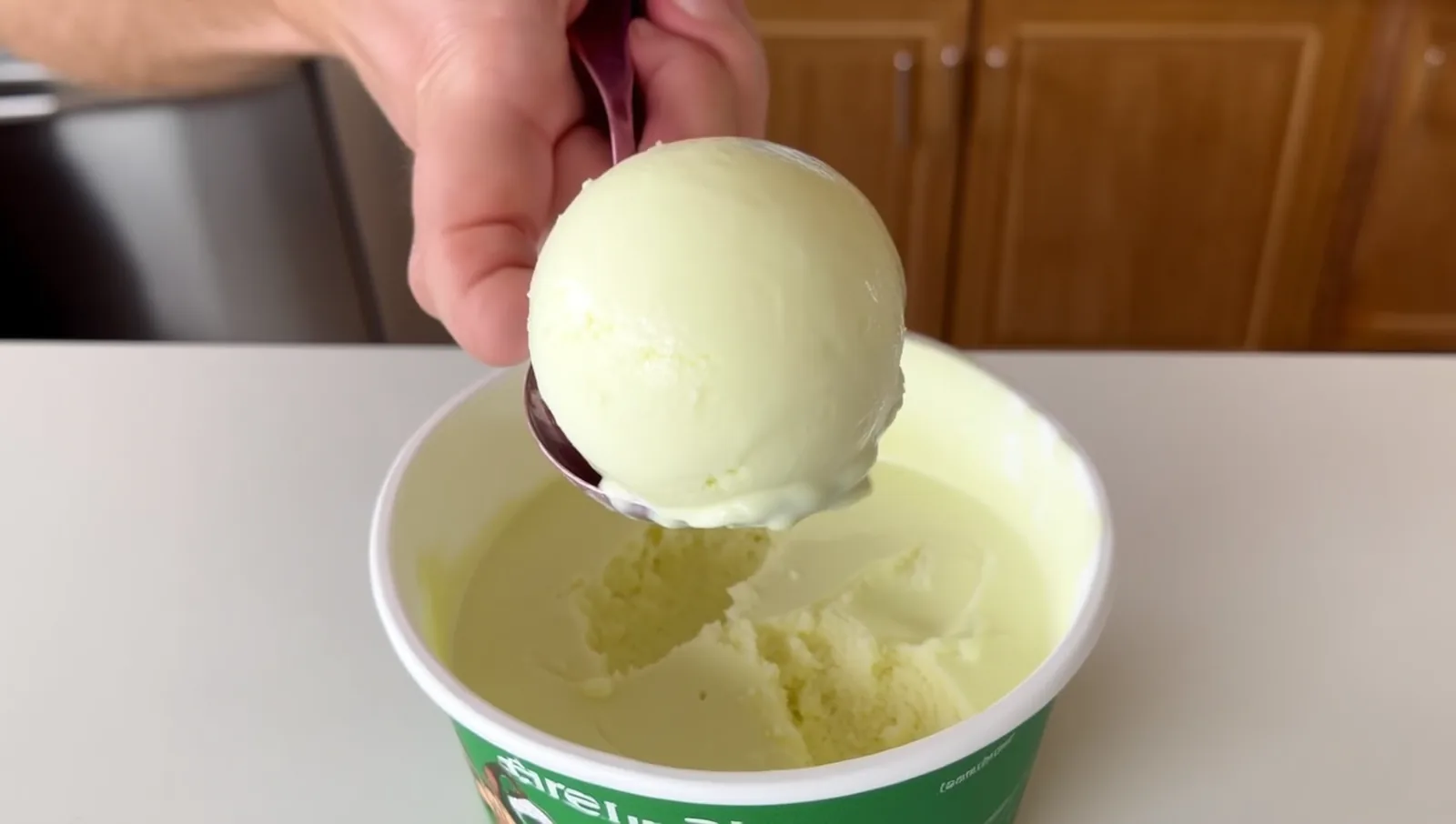
Erythritol is a sugar alcohol, also about 70 percent as sweet, but it behaves very differently. It does a poor job of depressing the freezing point and tends to recrystallize as the dessert sits, which reads on the tongue as grainy or sandy and makes a pint hard to scoop cold. It also carries a faint cooling sensation, a little like menthol. Formulators usually blend it with allulose or a high-intensity sweetener to cover both flaws. It is near zero glycemic and very low calorie. Recent research has raised questions about circulating erythritol and cardiovascular markers, so it is one to take in moderation rather than treat as a free pass. Vegan.
The High-Intensity Sweeteners: Stevia and Monk Fruit
These two are hundreds of times sweeter than sugar, so they get used in pinch-sized amounts. That means they contribute essentially no bulk and no freezing point depression at all. A pint sweetened only with stevia or monk fruit needs a separate bulking agent, often allulose, erythritol, or a fiber syrup, or it freezes rock hard.
Stevia (steviol glycosides) is 200 to 350 times sweeter than sugar with zero calories and zero glycemic impact. Its weakness is aftertaste: a licorice-like bitterness and a lingering sweetness that some palates catch immediately. A sensory study of chocolate frozen desserts found stevia brought a distinct bitter and residual note that masked other flavors, although it did not necessarily sink overall acceptance in lactose-free versions. The same work flagged a practical trap for plant bases, where combining sweeteners with body agents could leave a gummy coating during the melt and pull acceptance down.
Monk fruit (luo han guo, sold as mogroside extract) is 150 to 250 times sweeter than sugar, also zero calorie and zero glycemic. Many tasters find it cleaner than stevia, with less bitterness, though it can carry a faintly fruity edge. Like stevia it brings no structure, and most retail monk fruit sweeteners are cut with erythritol to give them measurable volume, so check the blend. Both are vegan.
Glycemic and Vegan Quick Reference
| Sweetener | Glycemic index (approx) | Calories | Vegan note |
|---|---|---|---|
| Cane sugar | ~65 | Full | Check for bone-char refining |
| Maple syrup | ~54 | Full | Always vegan |
| Coconut sugar | ~54 | Full | Vegan |
| Allulose | ~0 | ~0.4 kcal/g | Vegan |
| Erythritol | ~0 | very low | Vegan |
| Stevia | 0 | 0 | Vegan |
| Monk fruit | 0 | 0 | Vegan |
On vegan suitability, every sweetener on this list is plant-derived, so the source itself is never the problem. Two cautions live around the edges. The first is the bone-char-refined cane sugar above. The second is the sweetener that is not on this list at all: honey is not vegan, and it does turn up in some “natural” frozen desserts, so it stays on the read-the-label checklist. If you are also juggling food allergies, the good news is that none of these seven is a major allergen on its own, though blends and carriers still deserve a scan, which the multi-allergy family guide covers in depth. Whether a pint is vegan, dairy-free, or both is its own separate question, untangled in vegan versus dairy-free.
A Home Churner’s Swap Chart
The golden rule: you cannot swap these one for one, because they differ in both sweetness and freezing power. Replace sugar with a high-intensity sweetener and you strip out the antifreeze, so you get a brick. Here is how to move between them in a standard base.
| Swapping cane sugar for | Rough amount | What to expect |
|---|---|---|
| Maple syrup | About 1.25x volume, cut other liquid ~3 tbsp per cup | Softer set, clear maple flavor |
| Coconut sugar | Close to 1 for 1 | Darker color, caramel note |
| Allulose | About 1.3x (it is less sweet) | Very soft scoop; blend 50/50 with cane to firm up |
| Erythritol | About 1.3x | Firm and grainy; blend with allulose or a little glycerin |
| Stevia or monk fruit | Per the brand sugar-equivalence chart | No bulk at all; keep a separate bulking agent for body |
Sugar-free formulas built entirely on whole-food sweeteners are possible too. One 2026 study built a creditable sugar-free plant ice cream on date paste for sweetness, with sunflower seed oil bodies doing the structural work normally left to sugar and fat. That is the frontier, but for most home batches the swap chart above is what keeps a pint scoopable.
The Label Lens
Next time two pints disagree on sweetener, read it as a texture and blood-sugar preview, not just a flavor note. Allulose signals soft and low glycemic. Maple and coconut sugar signal full sweetness, warm flavor, and the blood-sugar load of real sugar. Stevia or monk fruit near the top of a short ingredient list signals a zero-sugar pint that leans on a bulking agent you should be able to find listed close by. None of it changes whether the pint is actually creamy, which comes down to fat and the stabilizer and emulsifier system, or whether it is genuinely better for you, which the healthier-than-dairy breakdown takes apart axis by axis. The sweetener line, read with these two jobs in mind, tells you more than the marketing on the front ever will.
Further reading (sources)
- Ice Cream Science on how sugar controls freezing point depression and scoopability
- Journal of Food Science for how stevia and sucralose reshape the sensory profile of dairy-free frozen desserts
- Foods with a sugar-free plant ice cream built on date paste and sunflower oil bodies
- U.S. Food and Drug Administration on why allulose is excluded from total and added sugars on the label
- Minimalist Baker for a maple-sweetened dairy-free frozen treat in practice