Dairy-Free Ice Cream Shakes: How to Make Your Own at Home
Published on January 15, 2025
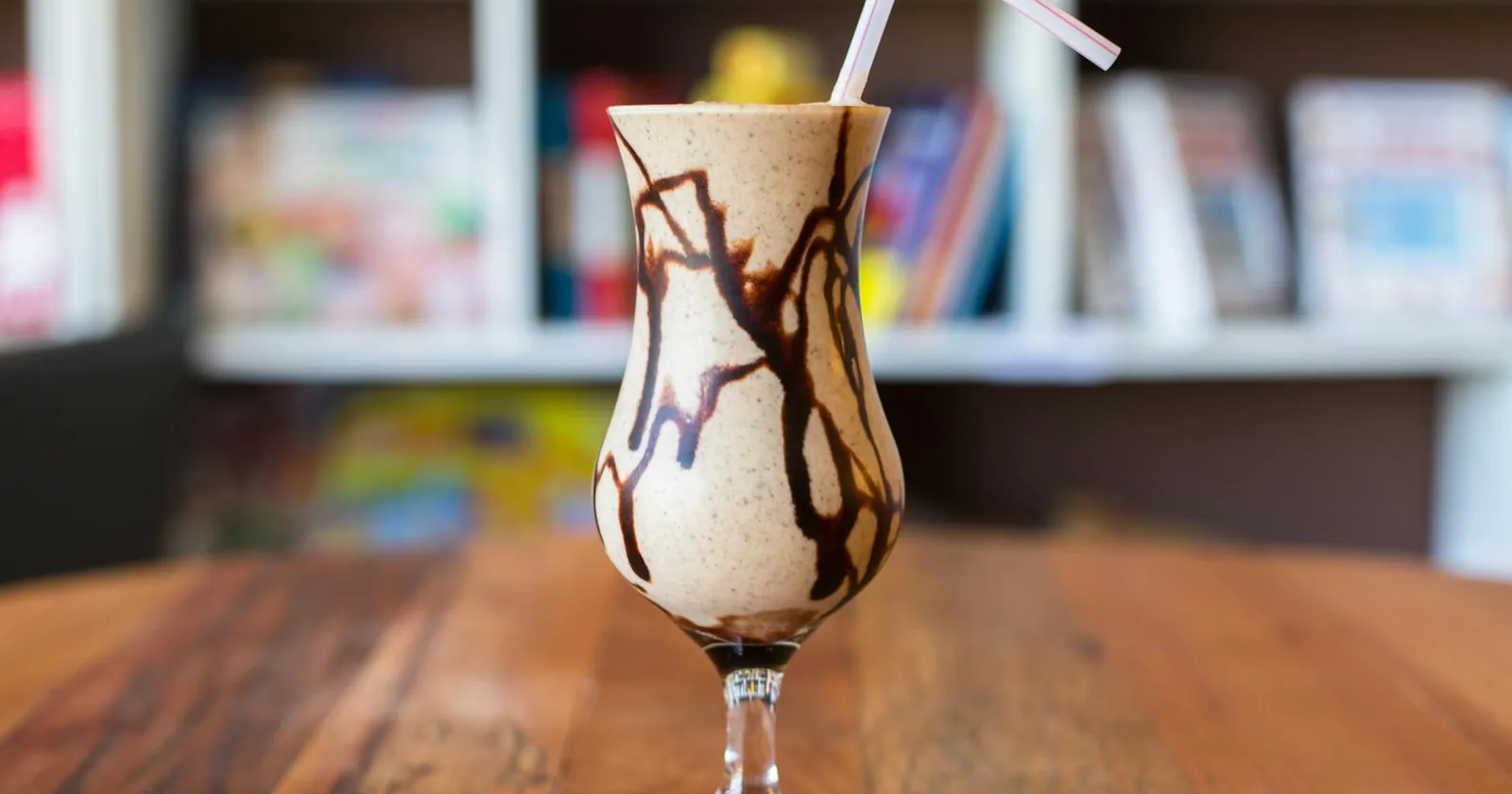
Ordering a milkshake without dairy used to mean settling for a thin, flavourless substitute. Those days are over. The boom in plant-based ice creams and milks means you can blend a rich, creamy shake at home that rivals anything from a traditional parlour. Whether you are lactose intolerant, following a vegan lifestyle, or just curious, the dairy-free milkshake is easier to master than you might think.
Choosing Your Base: Plant Milk Matters
The secret to a great milkshake has always been fat. In traditional recipes, whole milk’s 3.25 percent fat content creates that signature thick, velvety mouthfeel. The same principle applies when going dairy-free: plant milks with higher fat content produce creamier results. Full-fat coconut milk, with roughly 24 percent fat, blends into a luxuriously thick shake. The trade-off is a noticeable coconut flavour that pairs well with chocolate or tropical fruits but can overpower more delicate profiles (Food Republic, 2024).
Oat milk has become a favourite for its creamy texture and mild sweetness that mimics dairy without introducing a competing flavour. Soy milk offers similar versatility with higher protein (roughly seven to eight grams per cup), which helps build body in the finished drink (EarthChimp, 2024). Almond milk is considerably thinner, so shakes made with it come out lighter; it works best paired with a rich ice cream.
Picking the Right Dairy-Free Ice Cream
A milkshake has only two core ingredients (milk and ice cream), so the quality of your frozen base matters enormously. Not all dairy-free ice creams blend the same way. Nut-based varieties, especially those made from cashew or coconut cream, tend to deliver the thickest, creamiest shakes. Soy and oat options can work well, though some brands produce a thinner, icier texture that leaves your shake feeling watery. A good rule of thumb: if you enjoy eating the ice cream by the spoonful, it will taste good blended.
A practical tip: let the ice cream soften at room temperature for five to ten minutes before scooping. Rock-hard ice cream forces you to add more liquid to get the blender moving, which dilutes the shake. Slightly softened ice cream blends smoothly with less milk, keeping the texture thick.
The Basic Formula and How to Build on It
A classic dairy-free milkshake follows a simple ratio: roughly three-quarters of a cup of dairy-free ice cream to a quarter or half cup of plant milk. Start with less milk and add gradually. You can always thin a shake, but you cannot thicken one once over-blended. Pour the milk in first to help the blades catch, add the ice cream, and blend on medium-high until smooth (Plant.Well, 2023).
From there, the flavour possibilities are wide open. For a classic chocolate shake, use chocolate dairy-free ice cream and add a tablespoon of cocoa powder or a drizzle of melted dark chocolate. For strawberry, blend a handful of fresh or frozen berries into vanilla ice cream. Peanut butter lovers can add a heaping tablespoon for nutty depth, and a shot of espresso turns a vanilla shake into a coffee-house treat. Crushed dairy-free sandwich cookies, frozen fruit, flavoured syrups, and plant-based protein powder are all fair game.
The No-Ice-Cream Alternative
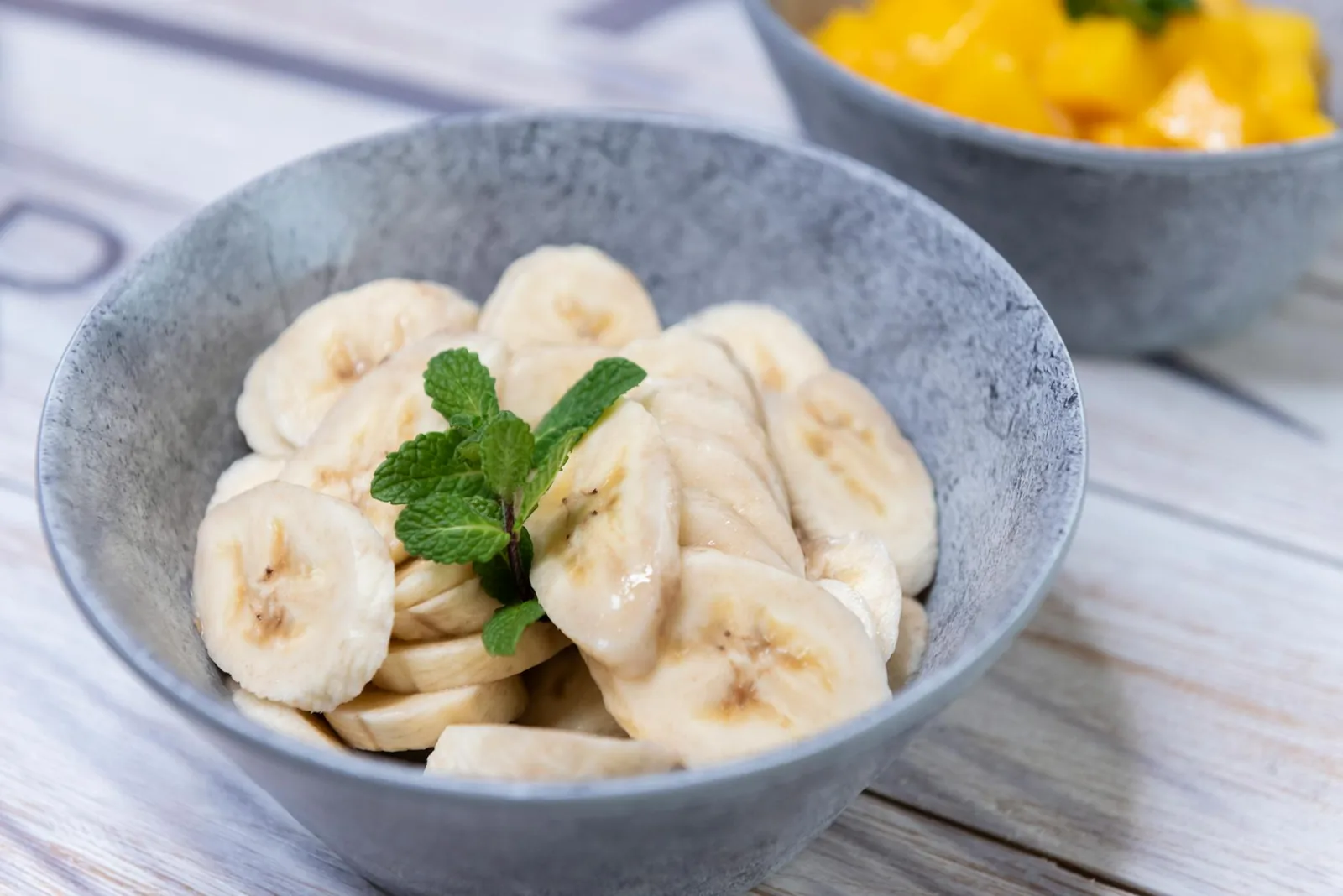
If you do not have dairy-free ice cream on hand, or prefer a whole-food approach, frozen bananas are a remarkably effective substitute. Peeled, sliced, and frozen overnight, they blend into a creamy, sweet base that behaves much like soft-serve. Two frozen bananas with a quarter cup of plant milk and a tablespoon of cocoa powder or vanilla extract produces a shake with surprising body. A spoonful of nut butter boosts both creaminess and protein. The method also carries less added sugar than most store-bought ice creams, making it a more nutrient-friendly option for frequent shake-making.
Presentation and Finishing Touches
Half the joy of a milkshake is the experience. Serve it in a tall, chilled glass and top with a generous swirl of dairy-free whipped cream. Coconut-based varieties hold their shape well and are widely available. A drizzle of chocolate or caramel sauce, a scattering of crushed cookies or chopped nuts, or a maraschino cherry on top gives your creation that nostalgic diner feel.
Making dairy-free shakes at home is faster, cheaper, and more customisable than ordering out. Once you know how fat content in your plant milk and ice cream shapes the final texture, you can tune every shake to taste, and quickly discover that giving up dairy does not mean giving up the milkshake.
Feature photo by Felipe Vieira on Pexels.
Further reading (sources)
- U.S. Food and Drug Administration on how milk and other major allergens must be declared
- eCFR for the federal standard of identity for ice cream and frozen desserts
- U.S. Food and Drug Administration with what a standard of identity means for what a product may be called