Lactose-Free vs Dairy-Free Ice Cream: Why the Distinction Matters at the Freezer Case
Published on July 16, 2026
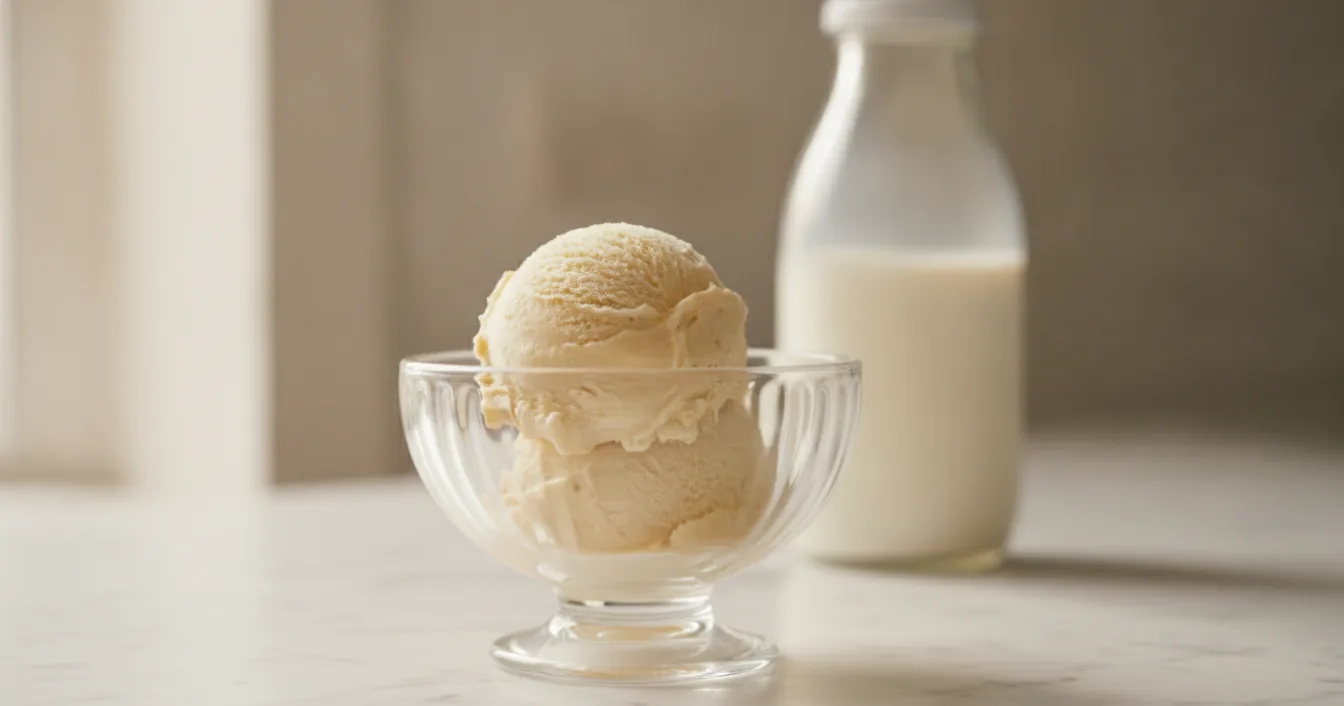
Last spring, an ice cream pitch won the biggest startup prize on California’s North Coast, and it did it with a product that sounds like a contradiction. In April 2026, Jersey Scoops, the artisanal brand run by Ferndale dairy farmers Thomas and Cody Nicholson Stratton (better known as the Foggy Bottoms Boys), took the top award at the inaugural StartUp Humboldt competition. In front of nearly 600 people at the Eureka Theater, their plan to make and distribute a new line of six lactose-free ice cream flavors earned $125,000 in milestone-based funding (Lost Coast Outpost, 2026).
“We are the lactose-free dairy farmers,” Thomas Nicholson Stratton told the Lost Coast Outpost after the win. “Like, we can’t have lactose.”
Lactose-free dairy. Hold onto that phrase, because it is the whole reason this article exists. To a lot of shoppers, “lactose-free” and “dairy-free” are two ways of saying the same thing. They are not. A lactose-free ice cream is very often real dairy, and for someone with a milk allergy, reaching for the wrong one of those two labels is not a matter of taste. It can be a trip to the emergency room.
Three claims that get treated as one
Walk the freezer case and you will see three reassuring phrases used almost interchangeably: lactose-free, dairy-free, and vegan. They describe genuinely different things.
- Lactose-free usually means real dairy ice cream with the milk sugar (lactose) broken down or removed. The cow is still very much involved.
- Dairy-free should mean no milk-derived ingredients at all. The base is a plant milk like coconut, oat, almond, cashew, or soy.
- Vegan goes furthest: no animal products of any kind, so no dairy, no eggs, and no honey. Every vegan ice cream is dairy-free, though not every dairy-free ice cream is vegan. I unpack that particular gap in vegan versus dairy-free ice cream.
The one that trips people up is the first. Lactose-free is the odd label out, because it is the only one of the three that still contains milk.
What “lactose-free” actually removes
Lactose is a sugar, specifically the natural sugar found in milk. Lactose intolerance is a digestive issue: the small intestine does not make enough lactase, the enzyme that breaks lactose down, so undigested lactose moves into the colon and causes bloating, gas, and cramps. It is extremely common. The NIDDK estimates that roughly 68 percent of the world’s population has some degree of lactose malabsorption (NIDDK).
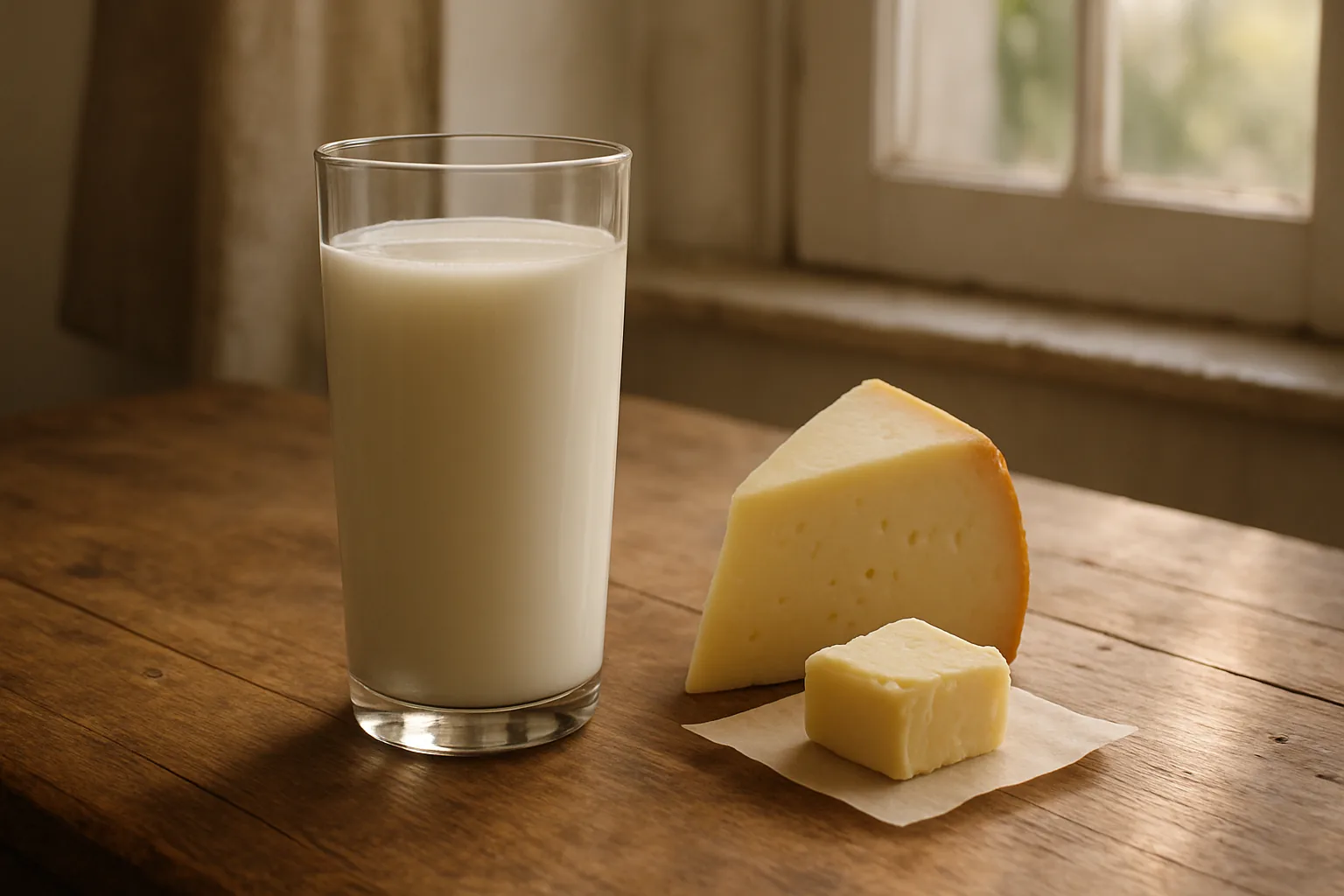
To make milk lactose-free, producers add the lactase enzyme to real dairy milk, which splits the lactose into two simpler sugars, glucose and galactose, that the body absorbs easily. (Some producers filter the lactose out instead.) Either way, the result is still milk. It keeps the protein, the calcium, and the milkfat of ordinary dairy, just with the problem sugar handled (Healthline).
That is the sentence to underline: the lactase enzyme breaks down the sugar, not the protein. Everything else in the milk stays exactly where it was.
Why that is dangerous for a milk allergy
A milk allergy and lactose intolerance are not the same condition, and they do not react to the same thing. Lactose intolerance is a digestive shortfall triggered by a sugar. A milk allergy is an immune system reaction triggered by a protein (ACAAI). The NIDDK draws the line plainly: a milk allergy is an immune system disorder, and it is a different thing from lactose intolerance.
Cow’s milk carries two families of protein. Casein makes up roughly 80 percent of it, the solid part that becomes cheese, and whey is the remaining 20 percent, the liquid fraction. Both can set off an allergic reaction, and both survive the lactose-free process untouched (Food Allergy Research & Education). Since lactase only acts on the sugar, a lactose-free pint still delivers a full dose of casein and whey to an allergic immune system. For a person with a true milk allergy, lactose-free dairy is no safer than any other dairy, and the reaction can run from hives to anaphylaxis.
This is exactly why the wording on the tub deserves a careful read rather than a glance. A pint that proudly says “lactose-free” may be telling you it will sit easier on a sensitive stomach while staying completely off-limits for a milk allergy. The two claims answer two different questions.
Dairy-free is the one with no milk in it
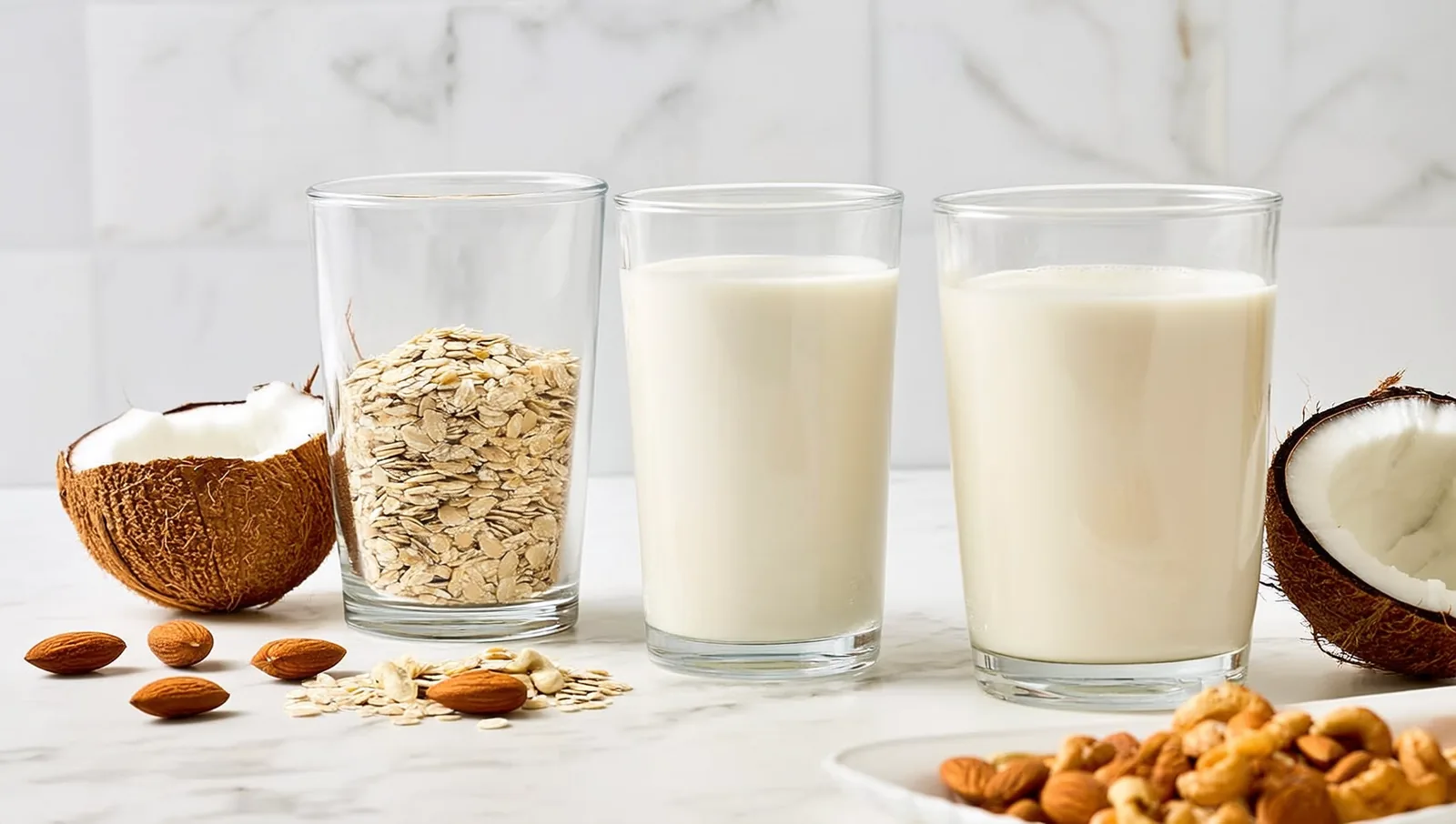
Dairy-free is the category that removes milk entirely. There is no casein, no whey, and no lactose, because there is no cow’s milk to begin with. The base is a plant milk, and each one sets the fat, flavor, and texture a little differently. A dairy-free pint is safe ground for both lactose intolerance and, on the recipe alone, a milk allergy.
Two cautions keep “dairy-free” honest, though. First, the phrase is not tightly policed, so the ingredient list and the “Contains” line under it are what actually matter, a habit I walk through in how to read a dairy-free ice cream label. Second, a clean recipe can still pick up milk through shared equipment at the factory, which is how a “vegan” chocolate ice cream ended up recalled for undeclared milk in 2026. Naturally milk-free formats like sorbet are a useful fallback here, and I map the full range of them in the field guide to dairy-free frozen dessert types.
The Jersey Scoops case, and the “mutated protein” question
The Foggy Bottoms Boys make a useful example precisely because their product does not fit the plant-based mold. They are dairy farmers who cannot personally tolerate lactose, so they built a lactose-free dairy ice cream from their own herd. Their pitch is not a coconut or oat dessert. It is milk from their cows with the lactose dealt with, which is about as pure an illustration of “lactose-free is still dairy” as you could ask for.
Thomas Nicholson Stratton gestured at a deeper wrinkle in the interview, noting that “some people can’t consume these protein chains that have mutated over time as cows were bred for specific characteristics.” That is a nod to the differences in milk-protein variants across cattle breeds, a distinction some dairies market heavily. It is worth being clear about what it does and does not change. Breeding for a particular casein profile may make milk sit easier with some sensitive drinkers, but it does not remove casein or whey. Milk from any breed, tuned any way, is still dairy, and still carries the proteins a milk allergy reacts to. For a milk-allergic shopper, “from a special herd” is not a safety claim.
Reading the freezer case with the right question
The fix is to know which question you are actually asking before you read the label.
- If you are lactose intolerant, a lactose-free dairy pint is built for you, and so is any dairy-free or vegan option. You have the widest choice of the three groups.
- If you have a milk allergy, ignore “lactose-free” entirely. It is not written for you. Look for “dairy-free” or “vegan,” then verify by scanning the ingredient list for casein, caseinate, whey, milk solids, and butterfat, and check the “Contains: Milk” line. If a milk allergy runs alongside other restrictions, the multi-allergy guide to dairy-free ice cream shows where the other big allergens hide in the same pints.
- If you are avoiding animal products, “vegan” is your word. “Lactose-free” is the opposite of what you want, since it is dairy by definition.
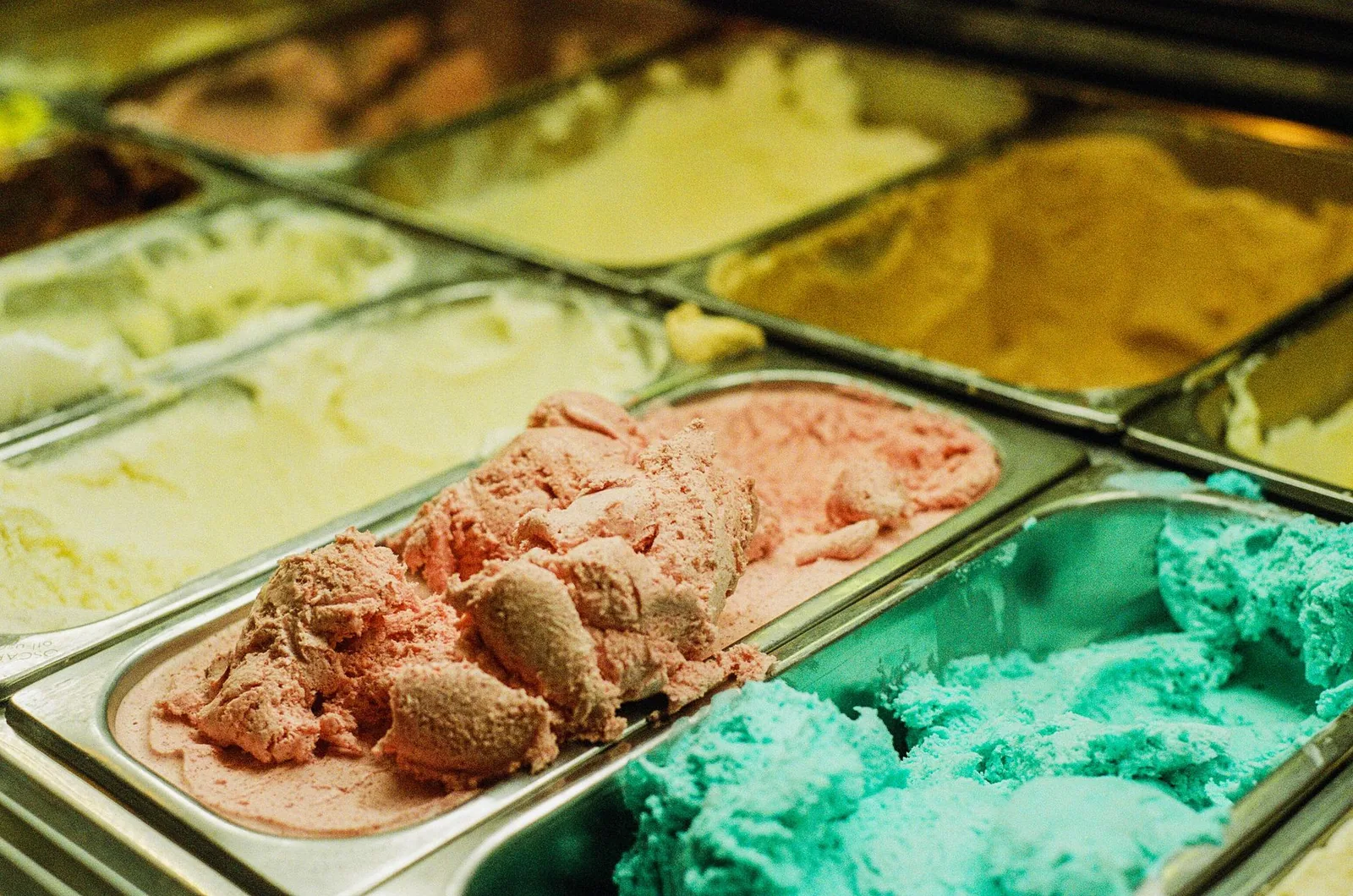
The quickest tell at the case: lactose-free products live in the dairy world and usually sit near the regular ice cream, while dairy-free and vegan pints are built on plants. When in doubt, the ingredient list settles it in a second. If you see milk, cream, casein, or whey, it is dairy, no matter how comfortable the front of the tub promises to be on your stomach.
The bottom line
Jersey Scoops winning a pitch competition with lactose-free ice cream is good news for lactose-intolerant dessert lovers on the North Coast, and a clean reminder for everyone else. Lactose-free solves a sugar problem. Dairy-free and vegan solve a milk problem. They are not ranks of the same idea, and they are not interchangeable. Read the label for the question you are actually asking, and the freezer case gets a lot less confusing.
Further reading (sources)
- Lost Coast Outpost on the Foggy Bottoms Boys and Jersey Scoops winning StartUp Humboldt
- NIDDK for how lactose intolerance differs from a milk allergy
- Healthline with what the lactose-free process does and leaves behind
- Food Allergy Research & Education on the milk proteins casein and whey that drive milk allergy
- American College of Allergy, Asthma & Immunology covering why a milk allergy is an immune reaction, not a digestive one
- Go Dairy Free breaking down the difference between casein-free and dairy-free