Should Vegans Eat Ben & Jerry's Doggie Desserts? The Label Says No
Published on July 19, 2026

Every few months the plant-based internet finds a new “accidentally vegan” treasure, and this spring it came from the pet aisle. A Redditor posted a photo of Ben & Jerry’s Rosie’s Batch Doggie Desserts, the brand’s pumpkin frozen treat for dogs, with the caption “[It’s] literally just vegan pumpkin pie ice cream? I wish [I] knew sooner!!!” The thread took off. Commenters said the peanut butter version tasted like a discontinued Ben & Jerry’s flavor they had been missing. “Just ignore that it says [it’s] for dogs,” the original poster wrote. “It’s actually really good.” VegNews picked it up in April under the headline “Reddit’s Latest Vegan Hack? Eating Ben & Jerry’s Dog Ice Cream. And Honestly, It Sounds Good.”
There is one problem. I pulled the labels, and both Doggie Desserts flavors contain dairy. Not trace amounts from a shared line, not a “may contain” advisory. Dairy ingredients, listed by name, with a milk allergen declaration printed on the box.
If you avoid dairy by choice, this is a bad tip. If you avoid it because of a milk allergy, it is a genuinely dangerous one.
What the Label Actually Says
Here is the ingredient list for Rosie’s Batch (sold at some retailers as Pumpkin & Mini Cookies), taken from current retailer listings of the box:
Water, Sugar, Coconut Oil, Corn Syrup, Wheat Flour, Pumpkin Puree, Sunflower Seed Paste, Pea Protein, Lecithin, Spice, Cane Molasses, Salt, Guar Gum, Locust Bean Gum, Cream, Tapioca Starch, Natural Flavor, Sodium Bicarbonate, Lemon Juice Concentrate, Milk Solids, Citric Acid, Annatto Extract, Carrageenan, Vanilla Extract.
The allergen line underneath reads “Contains: wheat, milk, soy.”
Pontch’s Mix, the peanut butter and pretzel flavor that commenters raved about, is the same story:
Water, Sugar, Coconut Oil, Corn Syrup, Peanuts, Sunflower Seed Paste, Canola Oil, Wheat Flour, Corn Starch, Peanut Oil, Pea Protein, Salt, Lecithin, Butterfat, Guar Gum, Locust Bean Gum, Soybean Oil, Citric Acid, Sodium Bicarbonate, Barley Malt.
Its allergen line reads “Contains: wheat, milk, soy, peanuts.”
Cream, milk solids, and butterfat are all dairy. Butterfat and milk solids are exactly the kind of quiet dairy ingredients I flag in my guide to reading a dairy-free ice cream label, because they do not carry the word “milk” in the ingredient name and are easy to skim past. The allergen statement is what catches them, and on these boxes it is doing its job.
So the parts of the viral claim that are true: the treats do use human-grade ingredients, they are built on coconut oil and sunflower seed paste rather than a conventional dairy base, and Ben & Jerry’s does say on its FAQ page that they are “perfectly safe for you to taste.” The part that is false is the leap from there to vegan.
Ben & Jerry’s Never Claimed These Were Dairy-Free
This is worth being fair about, because the company did not mislead anyone here. Ben & Jerry’s describes the Doggie Desserts as made “with very limited amounts of dairy,” and explains that it leans on sunflower butter precisely because most adult dogs are lactose intolerant. Reducing dairy for a dog’s digestion is a different goal from eliminating it for a human’s diet, and the brand never conflated the two.
The FAQ line that fueled the hack says the treats “were developed specifically for pups and are not labeled for human enjoyment, they do use the same ingredients that you’d find in our flavors made for humans. So they are perfectly safe for you to taste, as long as you like pumpkin and pretzels!” Read closely, that is a statement about toxicity, not about diet. Nothing in the pumpkin cup will hurt a healthy adult who tries a spoonful. That is a much lower bar than “suitable for someone avoiding milk protein.”
The error entered somewhere between the Reddit thread and the coverage of it, and then spread because nobody covering the story read the allergen line.
Why Pet Food Is Easy to Misread
There is a structural reason this slipped through, and it is the part most worth knowing.
Pet food in the United States is regulated by the FDA’s Center for Veterinary Medicine, not under the human food labeling rules most of us have learned to trust. Federal law does require a pet food label to list every ingredient by common name in descending order by weight, which is why the dairy in these treats is visible at all. But the major food allergen labeling requirements are a different matter. In its guidance on food allergens, the FDA states plainly that it interprets section 403(w) of the Federal Food, Drug, and Cosmetic Act, the provision behind every “Contains: Milk” line you have ever relied on, to apply only to foods for human consumption and not to pet foods or animal feeds.
Sit with what that means. Ben & Jerry’s printed “Contains: wheat, milk, soy” on a product that was not legally obligated to carry an allergen statement at all. A different pet treat with the same dairy content could omit that line entirely and still be perfectly legal.
The gap runs deeper than labeling. The preventive controls rules that govern manufacturing follow the same split: the human food regulation names food allergens as a hazard requiring controls, while the parallel animal food regulation has no allergen control category. Nobody is required to be managing cross-contact on a pet food line.
None of that makes pet food dangerous for pets. It makes pet food a poor place to shop for an allergen-restricted human diet, because the safety net you are used to leaning on is not strung underneath it. That is the same lesson as the 2026 vegan ice cream recall for undeclared milk, arriving from the opposite direction: there, a product claimed dairy-free and contained milk; here, a product contains milk and a viral post claimed it was dairy-free.
One more wrinkle. Some Reddit users reported seeing Doggie Desserts labels with no milk ingredients listed, while other listings for the same product clearly show butterfat. I could not resolve that, and every current US label I checked lists dairy. Whether that reflects a regional variant, an older formulation, or a misread photo, the practical advice is the same: read the box in your hand, not a screenshot of someone else’s.
It Is Not Even the Cheaper Option
Set the dairy aside for a second, because the economics do not hold up either.
At Target, a four-pack of Doggie Desserts (four 4 fl oz cups, 16 fl oz total) runs $6.99, or $0.44 per fluid ounce. A Ben & Jerry’s Non-Dairy pint at the same retailer, also 16 fl oz, runs $5.19, or $0.32 per fluid ounce.
The dog treat is roughly 37 percent more expensive per ounce than the genuinely dairy-free pint sitting a few aisles away, in a smaller portion, with dairy in it. As a budget hack it fails on its own terms.
What to Buy Instead
The underlying frustration in that Reddit thread was real, and it deserves a real answer. Dairy-free pints have gotten expensive, and the cheap store-brand tier has thinned out badly in the last 18 months. Target discontinued its entire Favorite Day non-dairy line in 2025, which included the $3.99 pumpkin pint the original poster was mourning. Trader Joe’s is down to a single non-dairy pint.
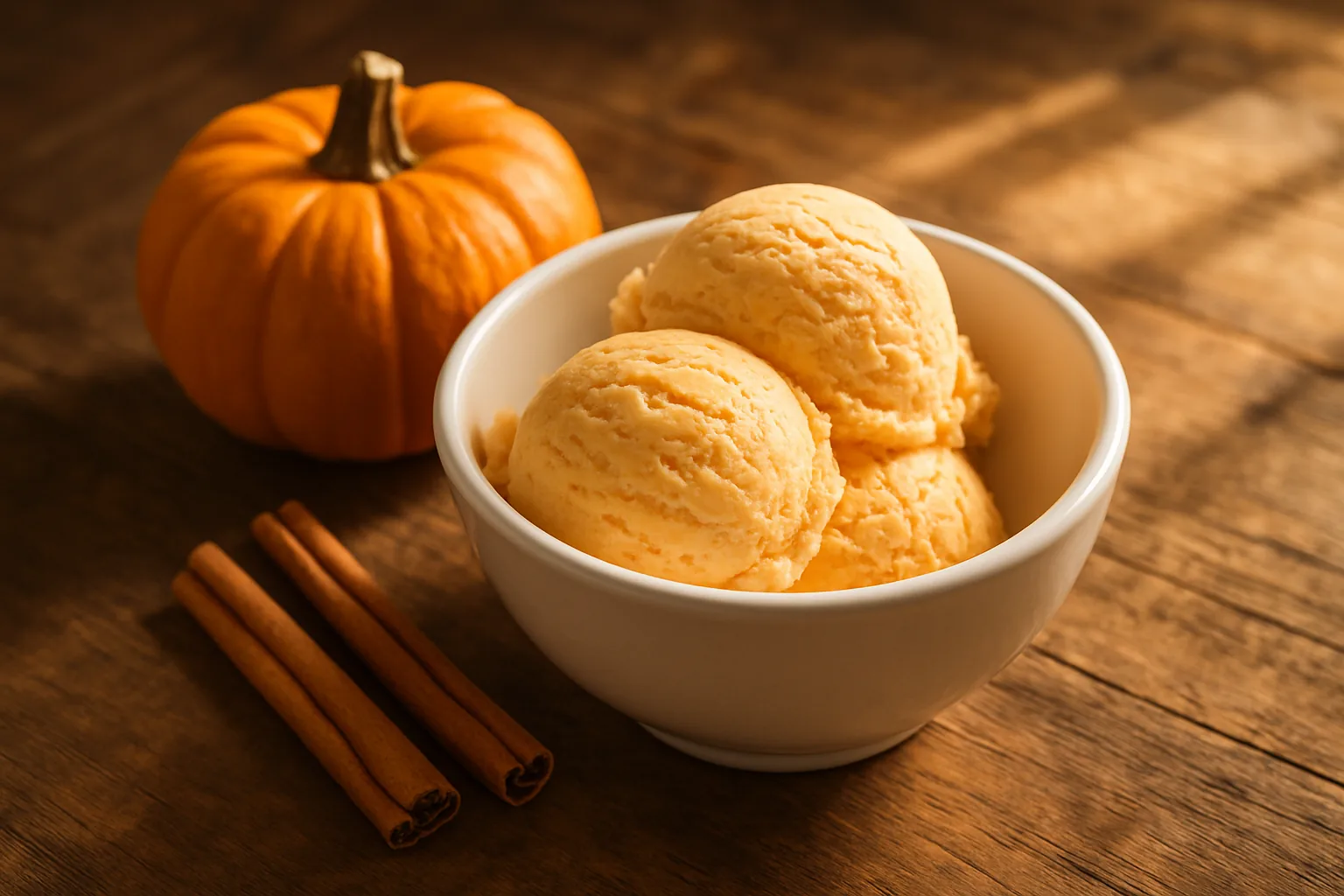
What is still worth buying:
- Walmart Bettergoods oat milk pints, around $3.50, are the strongest genuine budget pick I can find. Vegan, and free of nuts and soy.
- Ben & Jerry’s Non-Dairy, now an oat milk base across the US line, with more than a dozen flavors. Not cheap, but it is the actual product the hack was reaching for.
- So Delicious cashew and coconut pints, widely stocked, with a couple of no-added-sugar options.
- Oatly pints, still sold nationally, though the shelf presence is thinner than it was a few years ago. (The soft serve was discontinued in 2025; the pints were not.)
- Aldi Earth Grown when it appears, with the caveat that it is a rotating seasonal buy rather than permanent stock.
Always confirm the allergen line rather than the front-of-box claim. If the vegan and dairy-free and lactose-free distinction is fuzzy for you, I untangle it in vegan versus dairy-free ice cream, and it matters more than most shoppers expect.
About That Pumpkin
Honest answer: as of this July, there is no dairy-free pumpkin ice cream on US shelves. Every one I know of is a seasonal autumn release, roughly August through November, and the category has lost several of its regulars. Target’s is gone. Some previous pumpkin runs from plant-based brands have not returned.
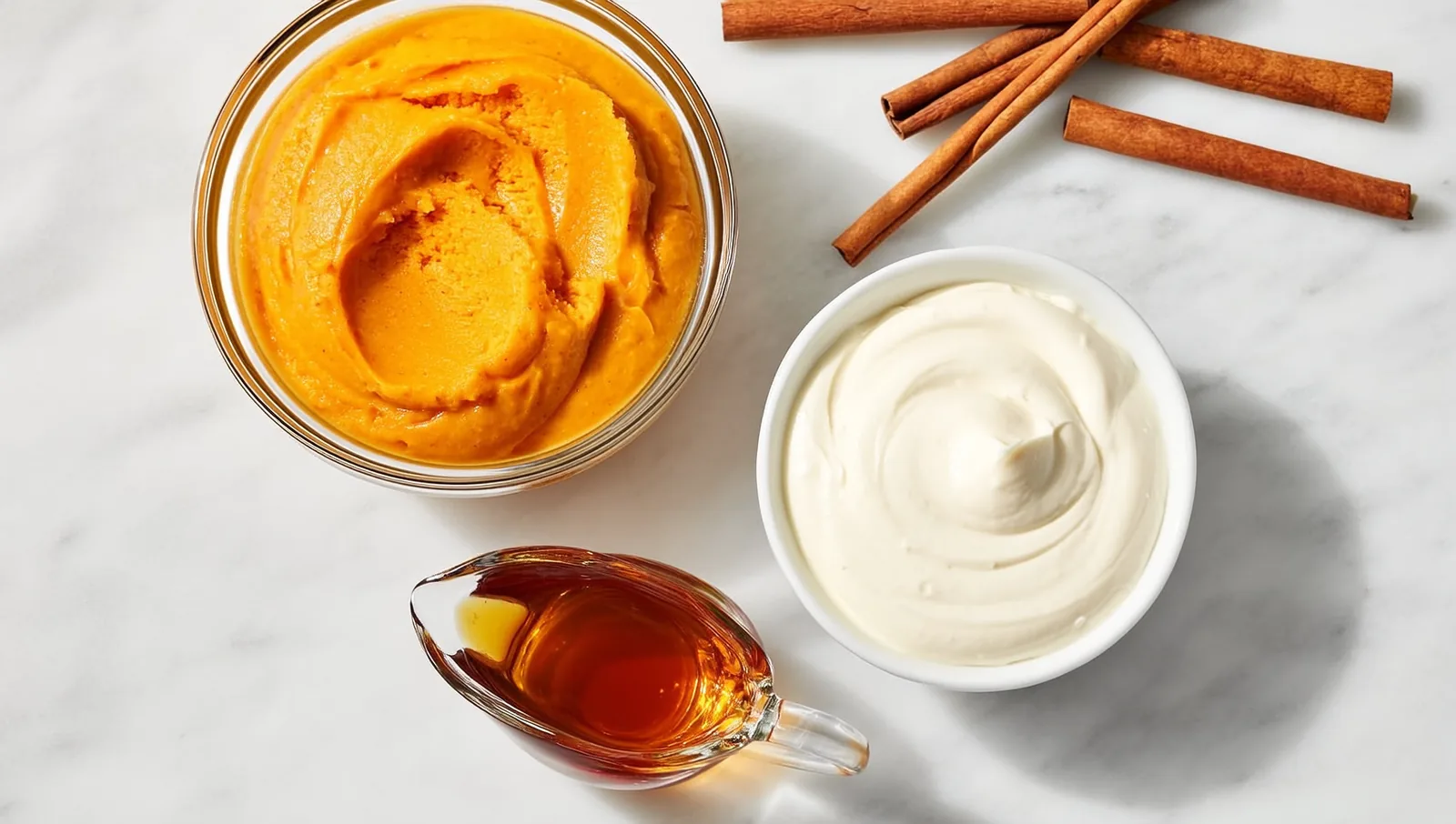
So if you want pumpkin frozen dessert before fall, make it. A pumpkin puree, coconut cream, maple, and warm spice base is one of the easier flavors to churn at home, and the pumpkin’s own starch and fiber help the texture. My homemade dairy-free ice cream master guide walks through the fat and sugar ratios, and if you like a spiced, coconut-forward direction, the cinnamon-led horchata ice cream in the dairy-free frozen dessert table uses the same technique.
The Bottom Line
Ben & Jerry’s Doggie Desserts are a reasonable frozen treat for a dog and a bad idea for anyone avoiding milk. Both flavors list dairy, both declare milk as an allergen, the company never called them vegan, and they cost more per ounce than the real dairy-free pint.
The broader takeaway is the one I keep coming back to. A viral post is not a label. Neither is a headline, and neither is a comment from someone who liked the taste. The only thing that tells you what is in a frozen dessert is the ingredient list and the allergen line on the package in your hand, and in this case they were saying “milk” the whole time.
Further reading (sources)
- VegNews on the Reddit thread that started the vegan dog ice cream hack
- Target listing the full ingredient and allergen panel for Pontch’s Mix
- H-E-B with the ingredient list and guaranteed analysis for Rosie’s Batch
- Ben & Jerry’s answering whether people can eat the Doggie Desserts
- Plant Based News for the label inconsistencies readers reported
- U.S. Food and Drug Administration on why allergen labeling rules stop at human food
- Go Dairy Free covering the discontinued Target non-dairy pint line